Provide Sustainable Electric Bikes For Everyone
Malesuada fames ac turpis egestas. Interdum velit laoreet id donec. Eu tincidunt tortor aliquam nulla facilisi cras.


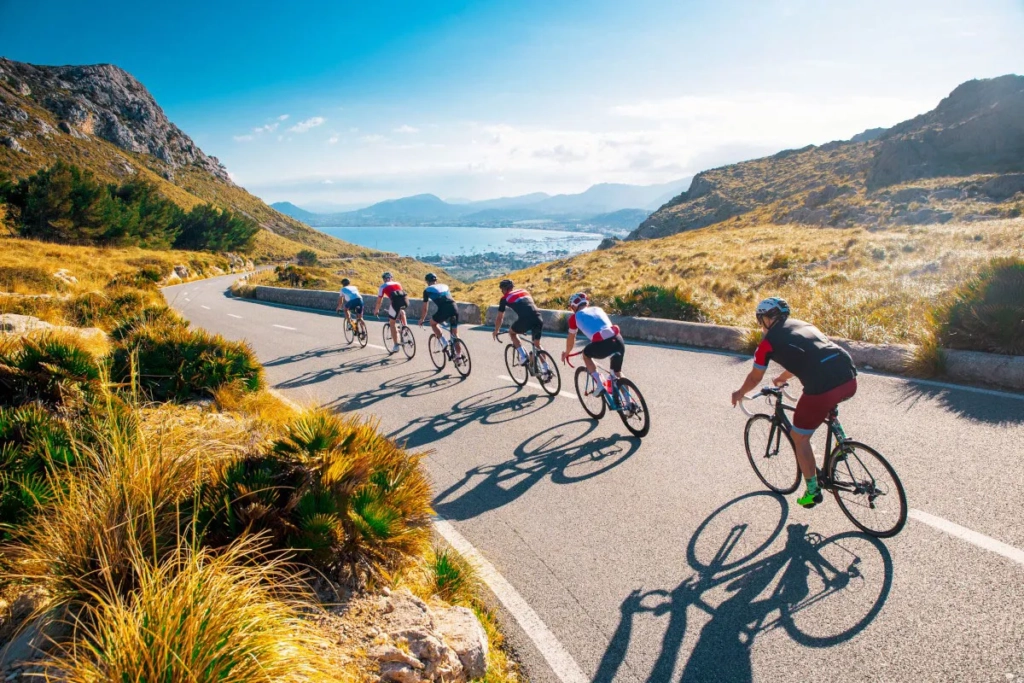
For cyclists—whether you’re a casual rider logging weekend miles, a commuter relying on your bike for daily transit, or a competitive athlete training for a race—leg fatigue is an all-too-familiar companion. That heavy, aching sensation in your quads, hamstrings, and calves post-ride isn’t just uncomfortable; it can slow your recovery, hinder future performance, and even dampen your enthusiasm for cycling. The good news is that leg fatigue after cycling isn’t inevitable. With the right strategies—rooted in physiological understanding, proper technique, and intentional recovery—you can minimize discomfort, speed up muscle repair, and keep your legs feeling strong ride after ride.
Table of Contents
To tackle leg fatigue effectively, we first need to understand its root causes. Contrary to common belief, fatigue isn’t just about “being tired”—it’s a complex interplay of muscle glycogen depletion, lactic acid buildup, micro muscle fiber damage, and poor circulation. Think of your leg muscles as a well-oiled machine: when you cycle, they work in tandem to power your bike, burning energy (glycogen) and producing waste (lactic acid) along the way. Over time, this repeated strain can leave the machine “low on fuel” and “clogged with debris,” resulting in that familiar heavy, sore feeling. The key to reducing fatigue is to optimize how your body uses fuel, clears waste, and repairs itself—both during and after your ride.
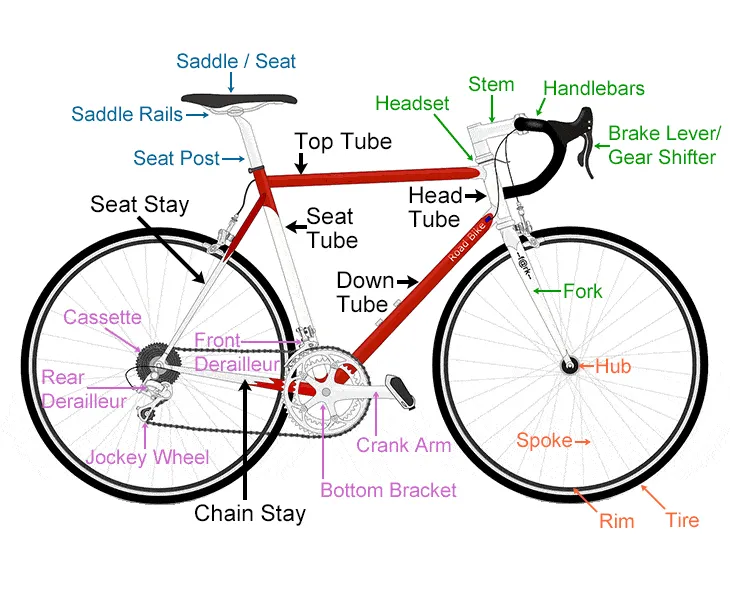
Many cyclists overlook the impact of their bike setup on leg fatigue, but improper positioning forces your leg muscles to work harder than necessary—wasting energy and accelerating fatigue. A poorly adjusted saddle height, for example, can cause your knees to bend too much or too little, placing excessive strain on your quads and hamstrings. Similarly, handlebar height that’s too low or too high can alter your body’s alignment, shifting unnecessary weight onto your legs.
Here’s how to fix it: Your saddle should be positioned so that when your foot is at the bottom of the pedal stroke, your knee is slightly bent (about a 25-30 degree angle). This ensures maximum power transfer without overstretching or straining your leg muscles. For handlebars, aim for a height that keeps your back relatively flat and your shoulders relaxed—this reduces upper body tension and prevents your legs from compensating for poor posture. Think of your bike setup as a foundation: a solid, well-aligned foundation means your muscles can work efficiently, rather than wasting energy fighting against an awkward position.
A common mistake among cyclists—especially beginners—is pedaling with too much force in a high gear, which places extreme strain on the leg muscles and leads to rapid fatigue. Instead of grinding through tough gears, focus on a smooth, consistent cadence (pedaling speed) of 80-100 revolutions per minute (RPM). This “spinning” technique reduces muscle stress by distributing the workload evenly across your leg muscles, rather than concentrating it on a single group.
To practice this, start by shifting to a lower gear when you feel your legs tiring—you’ll notice that pedaling becomes easier, and your legs stay fresher longer. Additionally, avoid “mashing” the pedals (pushing down hard with each stroke); instead, use a circular motion, pulling up slightly on the upstroke to engage your hamstrings and calves, which helps distribute the effort. It’s like swimming: a smooth, steady stroke is far more efficient than a forceful, choppy one, and it keeps your muscles from tiring prematurely.
Leg fatigue often stems from glycogen depletion—when your muscles run out of the energy they need to perform. This is especially true for longer rides (over 60 minutes), where your body burns through its stored glycogen faster than it can replenish it. To prevent this, fuel your body before, during, and after your ride with the right nutrients.
Before your ride: Eat a meal or snack rich in complex carbohydrates (e.g., oatmeal, whole-grain bread, bananas) 1-2 hours before cycling. Complex carbs break down slowly, providing a steady supply of energy to your muscles. Avoid heavy, high-fat foods, which can slow digestion and leave you feeling sluggish.
During your ride: For rides longer than 60 minutes, consume 30-60 grams of carbohydrates per hour (e.g., energy gels, dried fruit, sports drinks). This replenishes glycogen as you burn it, keeping your legs from feeling heavy. Hydration is equally important—dehydration reduces blood flow to your muscles, increasing fatigue and cramping. Aim to drink 500-750ml of water or electrolyte drink per hour, especially in hot or humid conditions.
After your ride: Within 30-60 minutes of finishing, eat a snack or meal that combines carbohydrates and protein (e.g., Greek yogurt with berries, a turkey sandwich, a protein shake with banana). Carbs replenish glycogen stores, while protein repairs damaged muscle fibers—both critical for reducing post-ride fatigue and speeding up recovery.
The work doesn’t end when you hop off your bike—post-ride recovery is where you actively reduce leg fatigue and prepare your muscles for your next ride. One of the most effective ways to ease soreness is to engage in light active recovery, which increases blood flow to your legs and helps clear lactic acid (the waste product that causes that burning sensation).
Try a 10-15 minute walk or a slow spin on a stationary bike immediately after your ride—this gentle movement keeps your muscles active without straining them. You can also use dynamic stretches (e.g., leg swings, walking lunges, calf stretches) to loosen tight muscles and improve flexibility. Avoid static stretching (holding a stretch for 30 seconds or more) immediately after riding, as this can increase muscle soreness.
Another powerful recovery tool is compression. Compression socks or leg sleeves apply gentle pressure to your legs, improving blood circulation and reducing swelling—both of which help alleviate fatigue. Wear them during your ride or for a few hours post-ride to see a noticeable difference. For more intense soreness, consider a foam roll: rolling your quads, hamstrings, and calves for 5-10 minutes helps break up tight muscle knots and促进 muscle recovery.
Perhaps the most overlooked tip for reducing leg fatigue is getting enough rest and sleep. When you sleep, your body releases growth hormone, which is critical for repairing damaged muscle fibers and replenishing energy stores. Without adequate sleep (7-9 hours per night), your muscles can’t fully recover, leading to persistent fatigue and increased soreness.
Avoid overtraining—giving your legs 48 hours of rest between intense rides allows them to repair and grow stronger. If you’re training regularly, alternate between hard and easy rides to prevent muscle burnout. Remember: rest isn’t a sign of weakness; it’s an essential part of training that helps you ride farther, faster, and with less fatigue.
Reducing leg fatigue after cycling isn’t a one-time fix—it’s a combination of consistent habits: optimizing your bike setup, mastering your pedaling technique, fueling and hydrating properly, prioritizing recovery, and getting enough rest. By integrating these strategies into your cycling routine, you’ll notice that your legs feel fresher post-ride, your recovery is faster, and you can tackle longer, more challenging rides with confidence.
Remember, every cyclist’s body is different—experiment with these tips to find what works best for you. Whether you’re a casual rider or a competitive athlete, the goal is to make cycling a sustainable, enjoyable activity—free from the burden of excessive leg fatigue. With the right approach, you can keep your legs strong, your rides enjoyable, and your passion for cycling alive.