Provide Sustainable Electric Bikes For Everyone
Malesuada fames ac turpis egestas. Interdum velit laoreet id donec. Eu tincidunt tortor aliquam nulla facilisi cras.


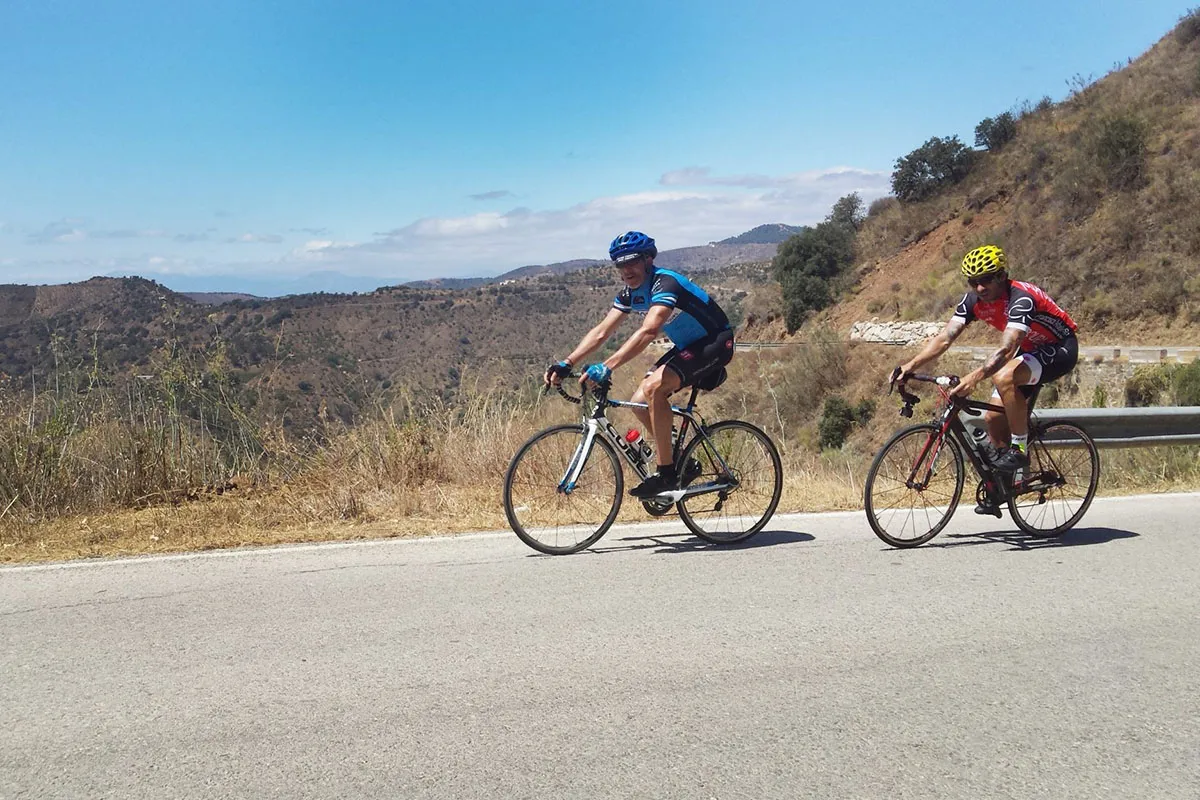
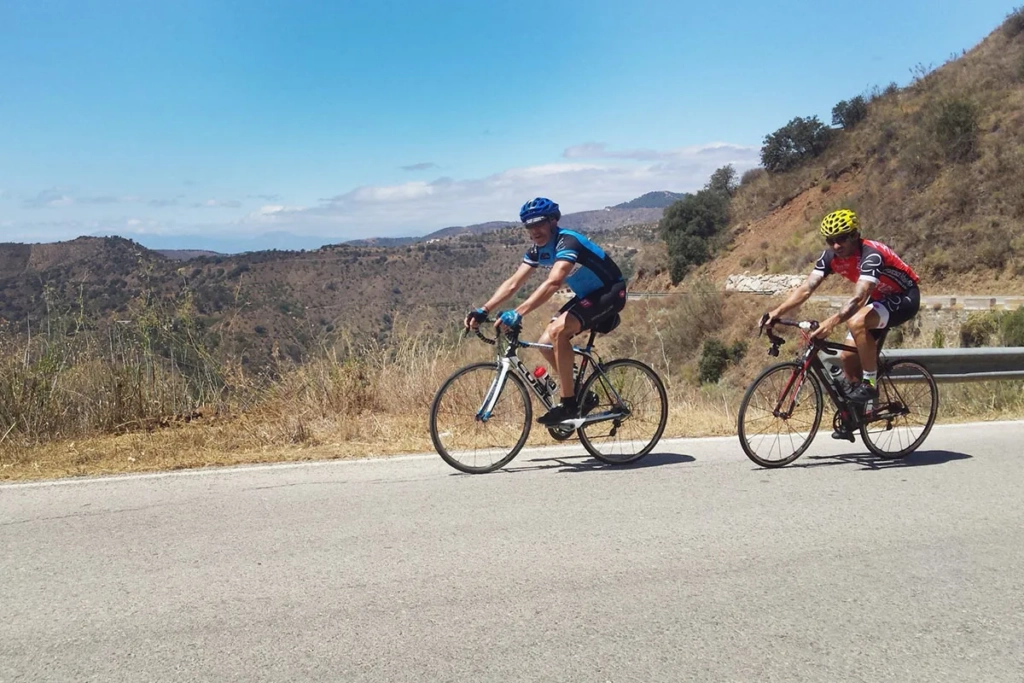
Imagine your bike as a symphony of moving parts—chains clinking, gears shifting, wheels spinning—and every note relies on one often-overlooked element: proper lubrication. For casual riders, weekend enthusiasts, and even professional cyclists, lubrication is more than a “nice-to-do” maintenance task; it’s the backbone of your bike’s performance, durability, and safety. Too many riders wait until they hear a squeak, feel a grind, or notice rust to reach for lubricant, but by then, irreversible damage may already be done. In this guide, we’ll break down the critical reasons to lubricate your bike regularly, debunk common myths, and explain how this simple step transforms your riding experience—all through the lens of a bicycle maintenance technician with over a decade of experience servicing road, mountain, and commuter bikes.
Table of Contents
At its core, a bike is a machine built on movement, and where there’s movement, there’s friction. Every time you pedal, your chain articulates over 112 links (on a standard 10-speed chain), each one rubbing against chainrings, cassettes, and derailleur pulleys. Without lubrication, these metal-on-metal contacts create friction that acts like a brake on your ride—wasting your energy, slowing you down, and wearing down expensive components. Think of lubricant as a “protective barrier” between moving parts: it reduces friction by filling in micro-scratches on metal surfaces, allowing components to glide past each other smoothly instead of grinding.
To put this in perspective: a dry chain can increase friction by up to 30%, meaning you’ll exert more force just to maintain your speed—whether you’re climbing a steep hill or cruising on flat pavement. Over time, this excess friction doesn’t just tire you out; it wears down chain links, stretches the chain (a condition known as “chain stretch”), and damages chainrings and cassettes. Replacing a chain costs $20–$50, but replacing a worn chain, chainring, and cassette together can cost upwards of $200—all avoidable with regular lubrication. Unlike cheap, generic lubricants that evaporate quickly or attract dirt, high-quality bike-specific lubricants are formulated to adhere to metal surfaces, resist washout from rain or sweat, and maintain their protective properties even in extreme temperatures.
Bikes are exposed to the elements—rain, humidity, salt (if you ride near the coast or in winter), and even sweat from your hands and legs. All of these elements accelerate rust and corrosion, which can turn a reliable bike into a dilapidated one in just a few seasons. Rust doesn’t just look unsightly; it weakens metal components, making them brittle and prone to breaking. A rusted chain link can snap mid-ride, a corroded derailleur pivot can seize up, and rusted brake cables can fail—all dangerous scenarios that could lead to accidents.
Lubricant acts as a waterproof seal, repelling moisture and preventing it from adhering to metal surfaces. For example, a well-lubricated chain will shed rainwater instead of absorbing it, keeping the metal underneath dry and rust-free. Even in dry climates, humidity in the air can cause microscopic rust formation, which over time erodes components. Professional mechanics recommend lubricating your chain every 100–200 miles (or more frequently if you ride in wet or dusty conditions) to maintain this protective barrier. It’s a small investment of time that pays off exponentially: a properly lubricated bike can last 5–10 years longer than one that’s neglected, saving you thousands of dollars in replacement parts.
If you’ve ever ridden a bike with a dry chain, you know the difference: clunky shifts, a squeaking or grinding noise, and a feeling that your pedaling isn’t translating to forward momentum. Proper lubrication eliminates these issues, transforming your ride from frustrating to effortless. A lubricated chain shifts seamlessly between gears, because the lubricant reduces friction in the derailleur pulleys and allows the chain to slide onto cogs smoothly—no more missed shifts or gear slippage.
The quietness of a lubricated bike is another key benefit. A dry chain creates a loud, distracting squeak as it rubs against metal components, which not only annoys you but also signals that damage is occurring. A well-lubricated chain operates almost silently, letting you focus on the road, trail, or scenery around you. Beyond noise reduction, lubrication boosts efficiency: less friction means more of your pedaling power is transferred to the wheels, so you can go faster with less effort. This is especially important for competitive cyclists, but even casual riders will notice a difference—whether it’s climbing a hill with more ease or cruising farther without tiring.
Think of your bike’s lubrication like the oil in a car engine: you wouldn’t drive a car without oil, and you shouldn’t ride a bike without proper lubrication. Both are essential for optimal performance, and neglecting either leads to costly repairs and reduced lifespan. A car’s engine fails without oil; a bike’s drivetrain fails without lubricant—same principle, scaled down to two wheels.
One of the biggest myths among bike riders is that “lubrication is a hassle” or “it’s cheaper to replace parts than to maintain them.” This couldn’t be further from the truth. Preventative maintenance—including regular lubrication—is far more cost-effective than reactive repairs. Let’s break down the numbers: a bottle of high-quality bike lubricant costs $10–$15 and lasts for 6–12 months (depending on how often you ride). Replacing a worn chain costs $20–$50, a chainring costs $50–$100, a cassette costs $80–$150, and a derailleur costs $100–$300. If you neglect lubrication, you could end up replacing all of these components in a single year—costing you $250–$600 or more.
In addition to component replacement costs, neglected bikes often require more frequent professional servicing. A mechanic may need to deep-clean rusted components, adjust misaligned gears caused by chain stretch, or replace seized pivots—all of which add up. By lubricating your bike regularly, you reduce the need for costly repairs and extend the time between professional services. Even if you’re not mechanically inclined, applying lubricant is a simple task that takes 5–10 minutes and requires no special tools. It’s one of the easiest ways to save money and keep your bike running smoothly.
Safety should always be the top priority for any rider, and proper lubrication plays a critical role in keeping you safe on the road or trail. A dry, worn chain can snap mid-ride, causing you to lose control—especially if you’re climbing a hill or riding at high speed. A seized derailleur can cause the chain to get stuck, leading to a sudden stop or a crash. Rusted brake cables can fail, making it impossible to stop quickly in an emergency. These are not hypothetical scenarios; they’re real risks that every rider faces when they neglect lubrication.
Regular lubrication ensures that all moving components function as intended, reducing the risk of unexpected failures. A lubricated chain is less likely to snap, because it’s not weakened by rust or friction. Lubricated derailleur pivots and brake cables move smoothly, ensuring that your gears and brakes respond quickly when you need them. Even small components—like wheel hubs and bottom brackets—benefit from lubrication, as it prevents them from seizing up and causing the wheels to lock or the crankset to fail.
For commuters who ride in busy urban areas, safety is even more critical. A sudden gear failure or chain snap in traffic could lead to a collision with cars, bikes, or pedestrians. By taking 5 minutes to lubricate your bike before each week of riding, you’re reducing these risks and ensuring that your bike is reliable when you need it most.
Even with all the benefits of lubrication, many riders still hold onto myths that prevent them from maintaining their bikes properly. Let’s debunk the most common ones, based on industry research and hands-on experience:
False. Applying too much lubricant is just as bad as applying too little. Excess lubricant attracts dirt, dust, and grime, creating a “sludge” that increases friction and wears down components. The goal is to apply a thin, even layer of lubricant to the chain (and other moving parts) — enough to cover the metal surfaces, but not so much that it drips or accumulates dirt. A good rule of thumb: after applying lubricant, wipe off any excess with a clean cloth.
False. Different types of riding require different types of lubricants. For example, dry-lube is ideal for dry, dusty conditions (like mountain biking on dirt trails), as it doesn’t attract dust. Wet-lube is better for wet, rainy conditions (like commuting in the rain), as it resists washout. Ceramic lubricants are premium options that offer longer-lasting protection and reduced friction, making them ideal for competitive riders. Using the wrong lubricant can do more harm than good—so always choose a lubricant that’s formulated for your riding style.
False. While the chain is the most critical component to lubricate, other moving parts also need attention. This includes derailleur pulleys, brake cables, shift cables, wheel hubs, bottom brackets, and pedal axles. Each of these components relies on lubrication to function smoothly and prevent rust. For example, a dry bottom bracket can cause creaking noises and seize up, making it difficult to pedal. Taking the time to lubricate all moving parts ensures that your entire bike runs like new.
The frequency of lubrication depends on three key factors: your riding conditions, your riding style, and the type of lubricant you use. Here’s a general guide, based on industry best practices:
Remember: it’s better to lubricate too often than not enough. Even if you’re unsure, a quick application of lubricant (and a wipe to remove excess) won’t hurt your bike—and it could prevent costly damage.
At the end of the day, lubricating your bike is one of the simplest, most cost-effective ways to maintain its performance, extend its lifespan, and keep yourself safe. It’s not a chore—it’s an investment in your bike, your riding experience, and your peace of mind. Whether you’re a casual rider who enjoys weekend cruises or a professional cyclist training for a race, proper lubrication is non-negotiable.
Think of your bike as a partner: it carries you through hills, across roads, and along trails, and it deserves to be cared for. Just as you’d fuel your body with the right food and water, you’d fuel your bike with the right lubricant. By making lubrication a regular part of your bike maintenance routine, you’ll enjoy smoother rides, fewer repairs, and a bike that lasts for years to come.
So, the next time you’re about to head out for a ride, take 5 minutes to check your chain. If it’s dry, squeaky, or rusty, grab your lubricant and give it a quick application. Your bike will thank you—and so will your legs.