Provide Sustainable Electric Bikes For Everyone

Malesuada fames ac turpis egestas. Interdum velit laoreet id donec. Eu tincidunt tortor aliquam nulla facilisi cras.


China’s Exports of HS Code 87149310 to Japan (2015–2025)

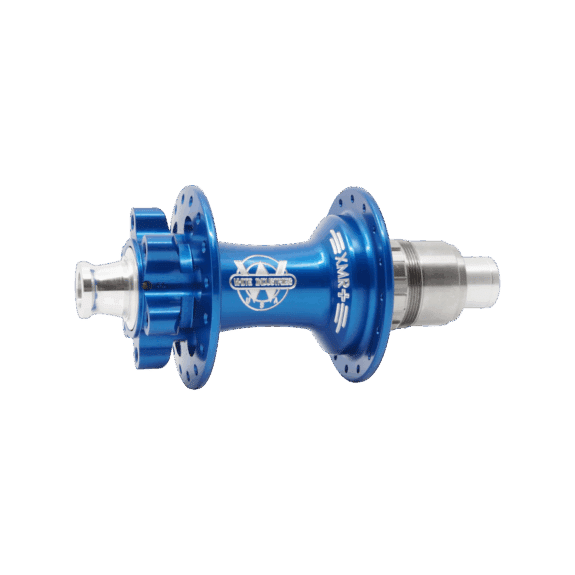
Product note: HS code 87149310 refers to bicycle hubs, freewheels, and chain-wheel/driving components – essential parts of a bicycle’s drivetrain.

1. Data Overview

Year Export Value (USD) YoY Change
2015 11,708,334
2016 11,827,762 +1.0%
2017 13,039,633 +10.2%
2018 12,614,572 –3.3%
2019 6,511,238 –48.4%
2020 18,127,848 +178.4%
2021 11,148,019 –38.5%
2022 11,814,831 +6.0%
2023 7,848,822 –33.6%
2024 5,720,466 –27.1%
2025 2,219,241 –61.2%

Key turning points:

  • 2019: sharp collapse (–48%)
  • 2020: explosive growth (+178%)
  • 2021–2022: stabilisation at a lower level
  • 2023–2025: three consecutive years of steep decline, with 2025 reaching only 12% of the 2020 peak

2. Root Cause Analysis by Period

2019 – The Collapse (–48%)

  • Japan’s consumption tax hike – The increase from 8% to 10% (October 2019) triggered front-loading of imports in late 2018 and early 2019. The second half of 2019 saw a severe demand vacuum.
  • US-China trade war spillover – Tariff uncertainty disrupted global supply chains. Japanese buyers began diversifying to Taiwan, Vietnam, and other Asian suppliers.
  • China’s environmental crackdown – The “Blue Sky Defence” campaign forced many hub and casting factories in Hebei and Shandong to cut production, raising costs and delaying deliveries.

2020 – The Explosive Surge (+178%)

  • COVID-19 bicycle boom – Fear of public transport and government subsidies (e.g., bicycle purchase support) caused a massive spike in Japanese bicycle demand.
  • China as the sole reliable supplier – While other manufacturing hubs shut down, China’s factories reopened early, making it the only stable source for hubs and freewheels.
  • Indoor cycling trend – Home trainers and smart trainers (requiring hubs and freewheels) saw global demand skyrocket.
  • USD/JPY exchange rate – The US dollar weakened from 109 to 103 yen in 2020, inflating the dollar-denominated export value.

2021–2022 – Normalisation but Not a Return to Pre-COVID Levels

Post-boom demand softened, but global shipping congestion forced some buyers to use expensive air freight, propping up order values.

COVID-related factory closures in Vietnam and Cambodia (2021) redirected orders back to China.

The 2022 energy crisis and Russia-Ukraine war drove up aluminium and steel prices, raising unit prices and offsetting some volume decline.

2023–2025 – Structural and Cyclical Collapse (–87% from 2020)

A multi-layered, irreversible shift:

(1) Shrinking Japanese demand

  • Aging population – Over 29% of Japanese are aged 65+. Bicycle commuting is declining, replaced by mobility scooters and compact four-wheelers.
  • Shared bicycles – Services like Docomo Bike Share reduce the need for private bicycle ownership and spare parts.
  • Electric-assist bicycles – Growing adoption of e-bikes (with integrated motor hubs) displaces traditional mechanical hubs.

(2) Supply chain relocation

  • RCEP effect – Tariffs on bicycle parts from China and ASEAN have gradually fallen, but lower labour costs in Vietnam and Thailand are pulling Japanese procurement away from China.
  • Japan’s “de-risking” strategy – Government subsidies (METI’s supply chain diversification programme) encourage shifting sourcing to India, Bangladesh, and ASEAN.
  • Rising costs in China – Labour, environmental compliance, and land prices have made low-margin hub production less competitive.

(3) Exchange rate and macroeconomic headwinds

  • Historic yen depreciation – The yen fell over 30% against the dollar from 2022 to 2024, briefly exceeding 160 yen/USD. Japanese importers saw their local-currency costs double, forcing them to slash orders or renegotiate prices sharply downward.
  • Japan’s sluggish economy – Real GDP growth remained below 1% in 2023–2024, and inflation ate into disposable income. Bicycle upgrades became a low priority.

(4) Technological substitution

  • Belt and shaft drives – Growing popularity of maintenance-free drivetrains reduces demand for traditional chain-based hubs and freewheels.
  • Internally geared hubs – Shimano’s Inter-8 and similar products (often made in Japan or higher-tier suppliers) are replacing conventional freewheel hubs, squeezing Chinese exporters.

(5) The 2025 cliff dive (–61%)

  • New Japanese environmental regulation – The “Bicycle Parts Hazardous Substances Restriction Order” took effect in 2025. Many smaller Chinese producers failed to meet the standards and lost export eligibility.
  • Capacity shift to other markets – China’s booming e-bike export sector (especially to Europe and the US) diverted production lines away from traditional hubs for Japan.
  • Inventory destocking – The huge 2020–2021 shipments left Japanese importers with bloated inventories, which they spent 2023–2025 clearing. New orders have been minimal.

3. Above all

Period Dominant Drivers Direction
2015–2018 Stable demand, gradual replacement cycle Modest growth
2019 Tax hike front-loading, trade war, environmental curbs Sharp drop
2020 COVID-19 bicycle frenzy, China as sole supplier Explosive peak
2021–2022 Demand normalises, but supply chaos & inflation support value Elevated plateau
2023–2025 Yen crash, supply chain shift, aging Japan, tech change, inventory cycle Terminal decline

Fundamental verdict:

The golden era for Chinese exports of HS 87149310 to Japan peaked in 2020 and has entered an irreversible structural decline. Demographic shrinkage in Japan, deliberate supply-chain diversification away from China, technological substitution, and extreme currency volatility have reduced 2025 exports to just 12% of the 2020 level.

Unless Chinese manufacturers rapidly pivot to high-value products – such as e-bike hub motors, intelligent freewheels, or integrated drive systems – this product category will likely remain at very low levels for the foreseeable future.

If you need a strategic follow-up – e.g., product mix recommendations or alternative market options (Southeast Asia, Middle East) – please let me know.


Share your love