Provide Sustainable Electric Bikes For Everyone
Malesuada fames ac turpis egestas. Interdum velit laoreet id donec. Eu tincidunt tortor aliquam nulla facilisi cras.


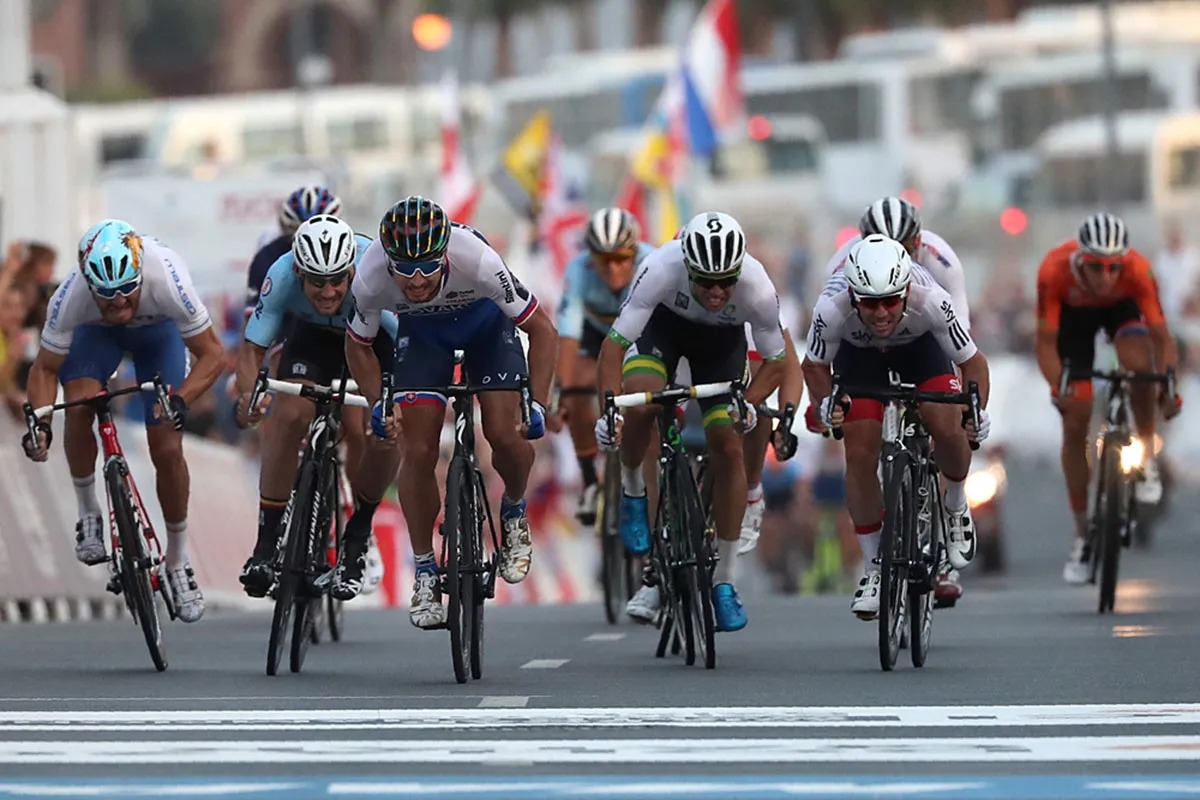
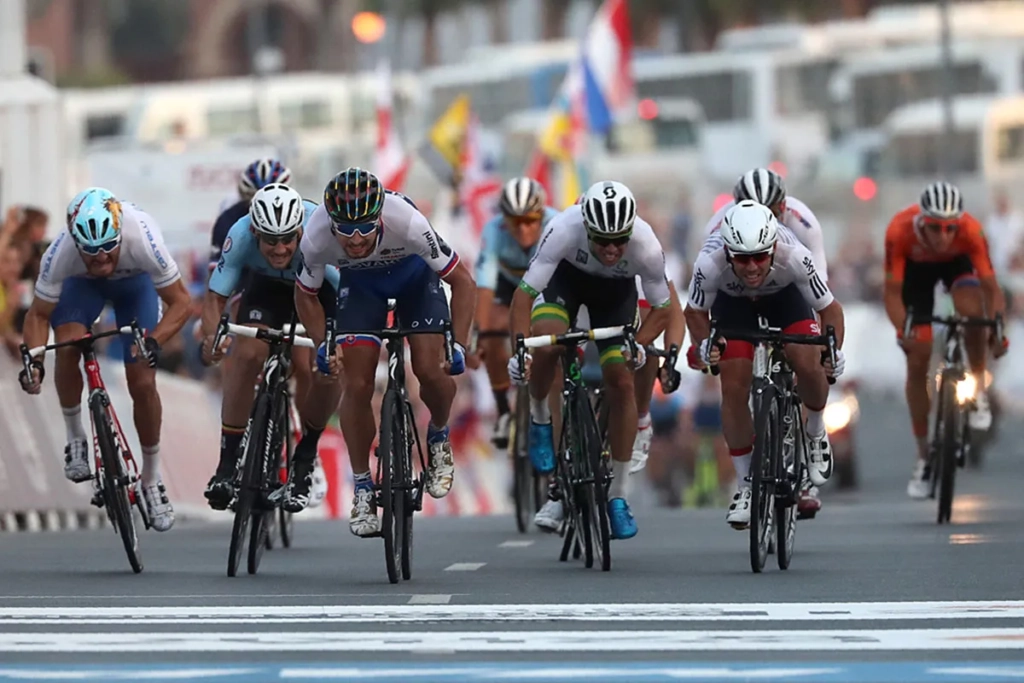
Have you ever finished a bike ride with burning quads, a stiff lower back, or a sense of exhaustion that feels disproportionate to the distance you covered? Chances are, you weren’t just struggling with fitness—you were fighting against your cadence. For too many cyclists, whether they’re daily commuters, weekend recreational riders, or competitive enthusiasts, cadence is an afterthought, a subconscious rhythm that’s left to chance rather than a deliberate, trainable skill. Yet, cadence—the number of pedal revolutions per minute (RPM)—is the unsung hero of cycling performance, comfort, and long-term endurance. It’s the bridge between your physical effort and the power you transfer to the pedals, the difference between a ride that feels like a chore and one that feels effortless.
Table of Contents
As a cycling technology and technique expert with over 12 years of experience—coaching riders of all skill levels, consulting on pedal system design, and analyzing biomechanical data to optimize riding efficiency—I’ve witnessed firsthand how mastering cadence transforms rides. I’ve worked with beginner commuters who went from dreading their 5-mile ride to looking forward to it, simply by adjusting their pedal rhythm. I’ve coached competitive cyclists who shaved minutes off their race times by refining their cadence strategy, and I’ve helped recreational riders eliminate chronic knee pain by fixing a cadence that was working against their body. The truth is, cadence isn’t just a “nice-to-have” skill—it’s a fundamental pillar of cycling that impacts every aspect of your ride: from your power output and energy efficiency to your risk of injury and overall comfort.
Think of cadence like the rhythm of a song. A song with a disjointed, erratic beat is hard to follow, exhausting to listen to, and fails to resonate. A song with a steady, intentional rhythm feels natural, engaging, and easy to move to. Cycling cadence works the same way: an erratic, too-slow, or too-fast cadence forces your body to compensate, wasting energy, straining muscles, and robbing you of the smooth, efficient ride you deserve. A steady, optimized cadence aligns your body’s biomechanics with your bike’s design, turning every pedal stroke into a controlled, powerful movement that feels almost effortless. This analogy isn’t just a way to understand cadence—it’s a practical framework: your cadence is the beat of your ride, and mastering it allows you to ride longer, faster, and more comfortably, no matter your skill level or riding goals.
This guide is designed to demystify cadence for cyclists of all types, from the absolute beginner who’s never thought about their pedal rhythm to the experienced rider looking to fine-tune their performance. Unlike generic cycling guides that briefly mention cadence in passing, this comprehensive resource dives deep into every aspect of cadence: what it is, why it matters, how to measure it, how to find your optimal rhythm, and how to train to improve it. We’ll debunk common myths, address industry-wide misconceptions, and provide actionable, science-backed advice that you can apply on your very next ride. We’ll also explore how cadence interacts with other key cycling factors—like gear selection, terrain, and fitness level—and provide real-world case studies that show exactly how mastering cadence transforms rides. Whether your goal is to commute more comfortably, tackle longer recreational rides, or improve your race performance, this guide will give you the tools you need to master the rhythm of cycling.
Before we dive into the “how” of cadence, we need to start with the “what” and the “why.” Understanding exactly what cadence is, how it’s measured, and why it’s so critical to your cycling experience is the foundation of mastering it. Many cyclists confuse cadence with power or speed, but these are three distinct (yet interconnected) metrics. Power is the amount of force you generate with each pedal stroke (measured in watts), speed is how fast you’re moving (measured in mph or km/h), and cadence is how often you’re turning the pedals (measured in RPM, or revolutions per minute). Each plays a unique role, but cadence is the glue that holds them together—it determines how efficiently you convert your physical effort into power and speed.
At its core, cadence is simply the number of times your pedals complete a full rotation (one revolution) in one minute. A single revolution means both pedals have moved from the top of the stroke to the bottom and back to the top—so if you’re pedaling at 80 RPM, your pedals are completing 80 full rotations every 60 seconds. This might sound straightforward, but there’s more to cadence than just counting revolutions. Cadence is also about consistency: a steady 80 RPM is far more effective than a cadence that bounces between 60 and 100 RPM, even if the average is 80. Consistency ensures that your body can adapt to the rhythm, reducing fatigue and improving efficiency.
To put cadence into perspective, let’s look at some common ranges: Beginner cyclists often ride at a cadence between 60 and 70 RPM, relying on brute force (higher gear, slower pedal speed) to move forward. Intermediate riders typically range between 70 and 85 RPM, while advanced and professional cyclists often maintain a cadence of 85 to 95 RPM (and sometimes higher, depending on the terrain and event). These ranges aren’t set in stone—your optimal cadence will depend on your fitness level, riding style, and goals—but they provide a useful benchmark to understand where you stand.
The importance of cadence boils down to one key principle: efficiency. When you pedal at a too-slow cadence (below 60 RPM), you’re forcing your muscles to generate more force with each pedal stroke. This places excessive strain on your quads, hamstrings, and lower back, as your body has to work harder to turn the pedals against resistance. Over time, this can lead to muscle fatigue, soreness, and even injury—particularly knee pain, which is a common complaint among cyclists with low cadence. A 2023 study published in the Journal of Cycling Science found that cyclists who maintained a cadence below 65 RPM were 3.2 times more likely to experience knee pain than those who rode at 75-85 RPM.
On the flip side, pedaling at a too-fast cadence (above 100 RPM for most riders) can also be inefficient. While high cadence reduces the force per pedal stroke, it increases the cardiovascular demand—your heart and lungs have to work harder to supply oxygen to your muscles, which can lead to premature fatigue on longer rides. The sweet spot, for most cyclists, is a cadence that balances force and cardiovascular effort, allowing you to ride longer and more comfortably without excessive strain on either your muscles or your cardio system.
Biomechanically, a steady, optimized cadence aligns with your body’s natural movement patterns. When you pedal at a consistent rhythm, your hips, knees, and ankles move in a smooth, coordinated motion, reducing friction and strain on your joints. This is particularly important for long rides: a 5-mile commute or a 50-mile recreational ride will feel significantly easier when your body is moving in sync with your pedal rhythm, rather than fighting against it. Additionally, a higher (but controlled) cadence trains your muscles to be more efficient at generating power over time, which translates to improved endurance and performance.
Cadence isn’t just about your body—it’s also about how your body interacts with your bike. Your bike’s gear system is designed to work in harmony with your cadence, allowing you to adjust the resistance (gear) to maintain your optimal rhythm across different terrains. For example, when climbing a hill, you’ll shift to a lower gear to reduce resistance, allowing you to maintain your cadence even as the terrain gets steeper. When descending or riding on flat ground, you’ll shift to a higher gear to increase resistance, ensuring that your cadence doesn’t get too high (and waste energy) while still generating speed.
This partnership between cadence and gear selection is critical for efficiency. Many beginner cyclists make the mistake of staying in a single gear, adjusting their cadence to match the terrain. This leads to either grinding up hills at a too-slow cadence or spinning out on flats at a too-fast cadence, both of which waste energy. The key is to use your gears to maintain your optimal cadence, not the other way around. By shifting gears strategically, you can keep your pedal rhythm steady, no matter what the road throws at you.
To master cadence, you first need to measure it. Without knowing your current cadence, you can’t identify areas for improvement or track your progress. Fortunately, measuring cadence is simple, thanks to a variety of tools designed for cyclists of all skill levels and budgets. From basic, affordable options to advanced tech that integrates with your other cycling metrics, there’s a cadence measurement tool that’s right for you. Below, we’ll break down the most common tools, how they work, and how to use them effectively.
Cadence sensors are the most accurate and reliable way to measure your cadence, and they’re a favorite among serious cyclists and beginners alike. These small, lightweight devices attach to your bike’s crank arm (the part that connects the pedals to the frame) or to one of your pedals, and they use either Bluetooth or ANT+ technology to transmit cadence data to a compatible device—like a bike computer, smartphone, or smartwatch.
There are two main types of cadence sensors: crank-mounted and pedal-mounted. Crank-mounted sensors attach to the inside of your crank arm and use a magnet that’s mounted on one of your pedals. As you pedal, the magnet passes the sensor, and the sensor counts the number of passes per minute to calculate your cadence. Pedal-mounted sensors are integrated into the pedal itself (or attach to the pedal spindle) and work similarly, counting the number of rotations per minute. Both types are highly accurate, but crank-mounted sensors are generally more durable and easier to install, while pedal-mounted sensors are more convenient if you ride multiple bikes (you can simply move the pedals between bikes).
When choosing a cadence sensor, look for one that’s compatible with your existing devices (e.g., if you have a Garmin bike computer, choose a sensor that works with Garmin). Most sensors are waterproof, which is essential for riding in rain or snow, and they have long battery lives (some can last up to a year on a single battery). Prices range from $30 to $100, making them an affordable investment for any cyclist looking to improve their ride.
Many modern bike computers (like Garmin, Wahoo, and Bryton) come with built-in cadence tracking, either through an integrated sensor or by pairing with an external cadence sensor. Bike computers are ideal for cyclists who want to track multiple metrics at once—like cadence, speed, distance, power, and heart rate—all in one place. They display your cadence in real time, allowing you to adjust your rhythm on the fly, and they store your data so you can review your rides later and track your progress.
Mid-range and high-end bike computers often include advanced cadence features, like average cadence per ride, cadence zones (to help you train in specific ranges), and alerts that notify you when your cadence is too high or too low. For example, you can set an alert to notify you if your cadence drops below 75 RPM, helping you maintain a steady rhythm without constantly checking the display. Bike computers range in price from $100 to $500+, depending on the features and functionality, but even entry-level models often include basic cadence tracking when paired with a sensor.
If you’re on a budget or don’t want to invest in a dedicated bike computer or sensor, smartphone apps are a great alternative. Many cycling apps (like Strava, Ride with GPS, and MapMyRide) can measure your cadence using your phone’s built-in accelerometer, which detects the motion of your phone as you pedal. To use this feature, you’ll need to mount your phone on your bike (using a phone mount) and ensure that the app is set to track cadence.
While smartphone apps are convenient and affordable (many are free or have a low-cost premium version), they’re not as accurate as dedicated cadence sensors or bike computers. The accelerometer can be affected by bumps in the road, wind, and other movements, which can lead to slight inaccuracies in your cadence reading. However, they’re still a great way to get a general sense of your cadence, especially if you’re just starting out. They also allow you to track your cadence alongside other metrics, like distance and speed, and share your rides with friends or a community of cyclists.
If you don’t have any tech tools, you can still measure your cadence manually. All you need is a stopwatch (or your phone’s timer) and a little focus. Here’s how: Choose a steady pace, start your timer, and count the number of times one pedal (either left or right) completes a full rotation (from top to bottom) in 15 seconds. Multiply that number by 4 to get your cadence in RPM. For example, if you count 20 rotations in 15 seconds, your cadence is 80 RPM (20 x 4 = 80).
Manual counting is simple and free, but it’s not as accurate as using a sensor or app, and it can be distracting—taking your focus away from the road and your ride. It’s best used as a quick check-in, rather than a long-term tracking method. If you’re just starting to pay attention to your cadence, manual counting can help you get a sense of your current rhythm, but we recommend investing in a basic sensor or using an app for more accurate, consistent tracking.
No matter which tool you use, it’s important to calibrate it regularly to ensure accuracy. For cadence sensors, this means checking that the magnet is properly aligned with the sensor (if it’s crank-mounted) and that the sensor is securely attached to your bike. For smartphone apps, make sure your phone is mounted securely and that the app is updated to the latest version. Calibrating your tools ensures that your cadence readings are reliable, which is critical for tracking your progress and making adjustments to your riding technique.
One of the most common misconceptions about cadence is that there’s a “perfect” RPM that works for every cyclist. This couldn’t be further from the truth. Your optimal cadence—the rhythm that feels most comfortable, efficient, and sustainable for you—depends on a variety of factors, including your fitness level, riding style, body type, and goals. A cadence that works for a competitive road cyclist might be too fast for a beginner commuter, and a cadence that’s comfortable for a recreational mountain biker might be too slow for a time trialist.
The goal of this section is to help you find your optimal cadence, not to force you into a one-size-fits-all range. We’ll walk you through a step-by-step process to identify your current cadence, test different rhythms, and determine which one feels most efficient for your unique needs. We’ll also explore how your optimal cadence changes based on terrain, riding goals, and fitness level, so you can adjust your rhythm accordingly.
The first step to finding your optimal cadence is to assess your current rhythm. Use one of the measurement tools we discussed earlier (sensor, app, or manual counting) to track your cadence during a typical ride. Try to ride at a pace that feels comfortable—nothing too hard, nothing too easy—and record your average cadence for the ride. You might also want to track your cadence in different situations: on flat ground, while climbing hills, and while descending. This will give you a sense of how your cadence naturally changes with terrain, and it will help you identify areas for improvement.
For example, you might find that your cadence drops to 60 RPM when climbing hills (relying on brute force) and jumps to 95 RPM when descending (spinning out). On flat ground, you might maintain a steady 75 RPM. These numbers are your baseline—they tell you where you’re starting, and they provide a reference point for making adjustments.
Once you have your baseline, it’s time to test different cadence ranges to see which one feels most efficient. Choose a flat, safe route (like a bike path or a quiet road) where you can focus on your rhythm without distractions. Start by riding at your baseline cadence for 5 minutes to warm up. Then, gradually increase your cadence by 5-10 RPM, and ride at that new rhythm for 5 minutes. Pay attention to how your body feels: Do your legs feel less strained? Is your breathing more steady? Does the ride feel more effortless?
After 5 minutes, increase your cadence again by 5-10 RPM, and repeat the process. Continue this until you reach a cadence that feels too fast—where your legs are spinning out, your breathing becomes labored, and the ride feels inefficient. Then, gradually decrease your cadence back down to your baseline, stopping at each 5-10 RPM interval to assess how you feel. Take notes on which cadence ranges felt most comfortable, which ones felt strained, and which ones allowed you to generate the most power without excessive effort.
It’s important to remember that this test is about comfort and efficiency, not speed. Don’t worry about how fast you’re going—focus on how your body feels. A higher cadence might feel awkward at first, especially if you’re used to riding at a slower rhythm, but give it time. Your body will adapt to the new rhythm with practice, and what feels awkward now might feel effortless in a few weeks.
Your optimal cadence will also depend on your riding goals. For example:
Your optimal cadence isn’t static—it will change based on the terrain and riding conditions. Here’s how to adjust your cadence for different scenarios:
As you become a stronger, more efficient cyclist, your optimal cadence will likely increase. Beginners often start with a lower optimal cadence (60-75 RPM) because their leg muscles are less efficient at generating power quickly. As you train and build endurance, your muscles will become more efficient, allowing you to maintain a higher cadence comfortably. This is why professional cyclists can maintain a cadence of 90-100 RPM—their bodies have adapted to that rhythm through years of training.
Don’t get discouraged if your optimal cadence is lower than you’d like it to be. It’s not a reflection of your ability—it’s a reflection of your current fitness level. With consistent training and practice, you’ll be able to gradually increase your optimal cadence, leading to more efficient, comfortable rides.
Finding your optimal cadence is just the first step. The next step is to master it—to train your body to maintain that rhythm consistently, no matter the terrain or conditions. Mastering cadence takes practice, but with the right techniques, you can improve your rhythm quickly and effectively. Below, we’ll share practical, actionable techniques that you can incorporate into your rides to refine your cadence, build efficiency, and transform your ride.
Cadence drills are short, focused exercises that help you train your body to maintain a steady rhythm. They’re designed to improve your muscle memory and make your optimal cadence feel more natural. Here are three effective cadence drills to try:
This drill is designed to build consistency and muscle memory. Choose a flat route, and set your cadence to your optimal RPM (using a sensor or app). Ride at that cadence for 10-15 minutes, focusing on keeping your rhythm steady—no speeding up or slowing down. If your cadence starts to drift, adjust your gears to bring it back to your optimal range. This drill is simple but effective, and it’s a great way to start every ride (after a warm-up) to get your body into the right rhythm.
This drill is designed to improve your ability to adjust your cadence and build endurance. Warm up for 10 minutes at your baseline cadence. Then, ride at a cadence 10 RPM above your optimal range for 1 minute, followed by 2 minutes at your optimal cadence. Repeat this interval 5-8 times, then cool down for 10 minutes. This drill trains your body to handle a higher cadence, which will make your optimal rhythm feel easier over time. It also helps you build the cardiovascular endurance needed to maintain a steady cadence on longer rides.
This drill is designed to help you use your gears effectively to maintain your cadence. Choose a route with mild terrain (small hills, flats), and ride at your optimal cadence. As you encounter a hill or a flat section, shift gears to maintain your cadence—don’t adjust your pedal speed. For example, when climbing a small hill, shift to a lower gear to keep your cadence steady. When descending, shift to a higher gear to keep your cadence from spinning out. This drill teaches you to use your gears as a tool to maintain your rhythm, which is critical for efficient riding.
Cadence isn’t just about how fast you pedal—it’s about how efficiently you pedal. A smooth, circular pedal stroke is key to maintaining a steady cadence and generating power without excessive effort. Many cyclists make the mistake of focusing only on the downward part of the pedal stroke (the “push”), but the upward part (the “pull”) is just as important. A complete, circular pedal stroke ensures that you’re generating power throughout the entire revolution, which makes your cadence more efficient and comfortable.
To improve your pedal stroke efficiency: Focus on pulling up on the pedal with your opposite leg as you push down with your dominant leg. For example, as you push down with your right foot, pull up with your left foot. This creates a smooth, circular motion that reduces strain and improves efficiency. You can practice this by riding at a slow, steady cadence (60-70 RPM) and focusing on the full pedal revolution. Over time, this will become second nature, and your cadence will feel more effortless.
Music is a powerful tool for maintaining a steady cadence. Music with a consistent beat can help you sync your pedal strokes to the rhythm, making it easier to maintain a steady RPM. To use music effectively, choose songs with a beat per minute (BPM) that matches your optimal cadence. For example, if your optimal cadence is 80 RPM, choose songs with a BPM of 80 (since one pedal revolution corresponds to one beat). You can find playlists designed specifically for cycling cadence on Spotify, Apple Music, and other streaming platforms, or you can create your own.
Worth noting: When riding outdoors, it’s important to stay alert to your surroundings. If you use music, keep the volume low enough to hear traffic, pedestrians, and other hazards. Alternatively, use one earbud (leaving the other ear free) to stay aware of your environment while still benefiting from the rhythm of the music.
Mindful riding is the practice of focusing on the present moment and being aware of your body and your ride. It’s a great way to improve your cadence, as it helps you notice when your rhythm is drifting and make adjustments before it becomes a problem. To practice mindful riding: Focus on your pedal strokes, your breathing, and your body’s sensations. Notice if your cadence is speeding up or slowing down, and adjust your gears or your effort to bring it back to your optimal range. Avoid distractions like checking your phone or thinking about your to-do list—stay focused on the ride.
Mindful riding also helps you connect with your body, allowing you to notice when you’re feeling fatigued or strained. If your legs start to burn or your back feels stiff, it might be a sign that your cadence is too slow (forcing you to use too much force) or too fast (placing too much strain on your cardio system). By being mindful, you can adjust your cadence to feel more comfortable and efficient.
Mastering cadence is a long-term process, and it’s important to track your progress along the way. Use your cadence sensor, app, or bike computer to record your cadence on every ride. Review your data regularly to see how your cadence is improving—are you maintaining your optimal rhythm more consistently? Is your average cadence increasing over time? Are you able to maintain a higher cadence on climbs and flats?
As you track your progress, don’t be afraid to adjust your optimal cadence. Your body will change as you train, and what felt optimal a month ago might not feel optimal now. Reassess your cadence every 4-6 weeks by repeating the steps in the “Finding Your Optimal Cadence” section. This will ensure that you’re always riding at the rhythm that’s most efficient for your current fitness level and goals.
Like any aspect of cycling, cadence is surrounded by myths and misconceptions that can lead to poor decisions, inefficient riding, and even injury. These myths are often passed down from experienced riders to beginners, or they’re based on outdated information. As a cycling technique expert, I hear these myths every day, and I’ve seen firsthand how they hold riders back from mastering their cadence and improving their rides. Below, we’ll debunk the most common cadence myths, based on science and real-world experience, to help you avoid costly mistakes.
False. While a higher cadence is often more efficient for advanced cyclists, it’s not better for everyone. A cadence that’s too high (above 100 RPM for most riders) can increase cardiovascular strain, leading to premature fatigue. For beginners, a higher cadence might feel awkward and inefficient, and it can even increase the risk of injury if the rider isn’t used to it. The key is to find your optimal cadence—the rhythm that’s most efficient and comfortable for you—not to chase the highest possible RPM.
For example, a beginner cyclist with limited leg strength might find that a cadence of 70 RPM feels more efficient than 85 RPM. Trying to force a higher cadence would only lead to fatigue and frustration. As the rider builds strength and endurance, their optimal cadence will naturally increase. The goal is efficiency, not speed of pedaling.
Partially false. While riding at a low cadence (below 65 RPM) with a high gear can build leg strength in the short term, it’s not the most effective or safe way to train. Riding at a low cadence places excessive strain on your knees, quads, and lower back, which can lead to chronic pain and injury over time. Additionally, it trains your muscles to rely on brute force rather than efficiency, which can hinder your progress as a cyclist.
A better way to build strength is to ride at your optimal cadence with a slightly higher gear (increasing resistance gradually) or to incorporate strength training off the bike (like squats, lunges, and leg presses). This builds strength without placing excessive strain on your joints, and it trains your muscles to be more efficient at generating power—both of which will improve your cadence and overall cycling performance.
False. Your cadence should adjust based on terrain, riding conditions, and your goals. While consistency is important on flat ground, you’ll need to adjust your cadence for climbs, descents, and wind. For example, climbing a steep hill requires a lower cadence (65-80 RPM) to maintain control and traction, while descending allows for a higher cadence (80-95 RPM) to generate speed. Trying to maintain the same cadence in all situations will only lead to inefficiency and fatigue.
The key is to use your gears to maintain a cadence that’s as close to your optimal range as possible, adjusting as needed for the terrain. This ensures that you’re always riding efficiently, no matter what the road throws at you.
False. Cadence matters for every cyclist, regardless of skill level or riding goals. Even if you’re just riding for fun or to commute to work, a steady, optimized cadence will make your ride more comfortable, reduce fatigue, and lower your risk of injury. Casual riders are often the most likely to suffer from knee pain or muscle soreness, and more often than not, this is due to a cadence that’s too low.
For example, a casual commuter who rides 5 miles to work at 60 RPM might finish their ride with burning quads and a stiff back. By increasing their cadence to 75 RPM (their optimal range), they’ll reduce the strain on their muscles and joints, making their commute feel easier and more enjoyable. Cadence isn’t just for competitive cyclists—it’s for anyone who wants to ride more comfortably and efficiently.
False. While many cyclists have a “natural” cadence that they fall into without thinking, this rhythm is not set in stone. Cadence is a trainable skill—with consistent practice and the right techniques, you can change your natural cadence and improve your efficiency. Your body is highly adaptable, and with time, it will learn to maintain a new, more optimal rhythm.
For example, a cyclist with a natural cadence of 65 RPM can train to increase their natural cadence to 75 RPM by incorporating cadence drills, practicing mindful riding, and tracking their progress. It might take a few weeks or months, but with consistency, it’s absolutely possible. Don’t let your current natural cadence limit your potential—you have the power to change it.
To help you better understand how mastering cadence transforms rides, let’s look at three real-world case studies of cyclists who improved their performance, comfort, and enjoyment by refining their pedal rhythm. Each case study features a different type of cyclist—beginner, intermediate, and advanced—with different goals and challenges. These stories highlight the practical applications of the advice in this guide, and they show exactly how cadence can make a difference in your rides.
Rider Profile: Katie is a beginner cyclist who started commuting to work 5 miles each way to save money and get more exercise. She had no prior cycling experience, and she struggled with her rides from the start. She often finished her commute with burning quads and knee pain, and she dreaded her ride home after a long day at work. Her goal was simple: to commute comfortably without pain or exhaustion.
Challenge: When we first worked together, Katie’s average cadence was 62 RPM. She was riding in a too-high gear, relying on brute force to move forward, which placed excessive strain on her knees and quads. She had no idea what cadence was, and she didn’t realize that her pedal rhythm was the cause of her pain.
Solution: We started by teaching Katie what cadence is and how to measure it (we recommended a basic cadence sensor paired with her smartphone). We then helped her find her optimal cadence, which was 75 RPM. We taught her to shift gears to maintain this cadence, focusing on using lower gears to keep her pedal rhythm steady. We also had her practice the steady state cadence drill for 10 minutes at the start of each ride to build muscle memory.
Over the course of 4 weeks, Katie gradually increased her average cadence to 75 RPM. She learned to shift gears strategically, using lower gears on hills and higher gears on flats to maintain her rhythm. She also practiced improving her pedal stroke efficiency, focusing on a circular motion rather than just pushing down on the pedals.
Result: Katie’s knee pain disappeared completely, and her quad soreness was significantly reduced. She now finishes her commute feeling energized instead of exhausted, and she even looks forward to her ride home. Her average commute time decreased by 5 minutes (from 35 minutes to 30 minutes) because she’s riding more efficiently. “I can’t believe how much of a difference cadence made,” she says. “I thought I just wasn’t strong enough, but it turns out I was just pedaling wrong. Now, my commute feels effortless.”
Rider Profile: Mike is an intermediate cyclist who enjoys weekend recreational rides with his friends. He’s been cycling for 2 years, and he typically rides 20-30 miles per weekend. He’s in good shape, but he struggled to keep up with his friends on longer rides, and he often felt fatigued halfway through. His goal was to improve his endurance so he could ride longer distances with his friends without falling behind.
Challenge: Mike’s average cadence was 78 RPM, but his rhythm was inconsistent—he would often drop to 70 RPM on flats and jump to 90 RPM on climbs. This inconsistency wasted energy, leading to premature fatigue. He also had a tendency to ride in a too-high gear on flats, which increased his muscle strain.
Solution: We helped Mike refine his optimal cadence, which was 82 RPM. We focused on improving his cadence consistency by having him practice the cadence interval drill (1 minute at 92 RPM, 2 minutes at 82 RPM) during his training rides. We also taught him to use his gears more effectively, focusing on maintaining his 82 RPM cadence on flats and adjusting to 75-80 RPM on climbs.
We also had Mike track his cadence and energy levels during his rides. He noticed that when his cadence was consistent, he felt less fatigued and could ride longer. We also helped him improve his pedal stroke efficiency, which made his cadence feel more effortless.
Result: After 6 weeks of training, Mike’s average cadence was 82 RPM, and his rhythm was significantly more consistent. He was able to ride 40 miles without fatigue, and he could keep up with his friends on longer rides. His average speed increased by 2 mph, and he felt more confident in his abilities. “I used to think endurance was just about fitness, but cadence made all the difference,” he says. “Now, I can ride longer and faster without feeling like I’m going to collapse.”
Rider Profile: Jake is an advanced cyclist who competes in road races and time trials. He’s been cycling competitively for 5 years, and he’s in excellent shape. However, he was stuck in a performance plateau—he couldn’t shave any time off his race times, and he often faded in the final miles of races. His goal was to improve his power output and endurance to break through his plateau and finish higher in races.
Challenge: Jake’s average cadence during races was 88 RPM, but he struggled to maintain this cadence in the final miles of races, when his legs were fatigued. He would often drop to 80 RPM, which reduced his power output and slowed him down. He also had a tendency to pedal at a too-high cadence (95+ RPM) during descents, which wasted energy.
Solution: We worked with Jake to refine his race-day cadence strategy. We determined that his optimal race cadence was 90 RPM, which balanced power and efficiency. We had him practice maintaining this cadence during long training rides (40+ miles), focusing on consistency even when he was fatigued. We also taught him to adjust his cadence for different parts of the race: 90 RPM on flats, 85-90 RPM on moderate climbs, 75-85 RPM on steep climbs, and 85-90 RPM on descents (avoiding spinning out).
We also incorporated cadence-specific interval training into Jake’s routine, including 2-minute intervals at 95 RPM (above his optimal cadence) followed by 3 minutes at 90 RPM. This helped him build the endurance needed to maintain his optimal cadence during the final miles of races. We also helped him improve his pedal stroke efficiency, which allowed him to generate more power at his optimal cadence.
Result: After 8 weeks of training, Jake was able to maintain his 90 RPM cadence consistently throughout races, even in the final miles. His power output increased by 10 watts (a significant improvement for a competitive cyclist), and he shaved 2 minutes off his 40-mile time trial time. He also finished in the top 5 in his next road race, breaking through his performance plateau. “Cadence was the missing piece,” he says. “I was training hard, but I wasn’t focusing on the rhythm of my pedal strokes. Now, I’m more efficient, more powerful, and I can finish races strong.”
Cadence is the unsung hero of cycling—an often-overlooked skill that has the power to transform your rides from a chore to a joy. It’s the bridge between your physical effort and the power you transfer to the pedals, the difference between pain and comfort, fatigue and endurance, frustration and success. Whether you’re a beginner commuter, an intermediate recreational rider, or an advanced competitive cyclist, mastering cadence will help you ride longer, faster, and more comfortably.
The journey to mastering cadence starts with understanding what it is, measuring it, and finding your optimal rhythm. It continues with practice—incorporating cadence drills, refining your pedal stroke, and using your gears effectively. And it ends with consistency—tracking your progress, adjusting your approach, and never stopping to improve. Remember, there’s no “perfect” cadence—only the cadence that’s perfect for you. Your optimal rhythm will change as you grow as a cyclist, and that’s okay. The goal is to keep learning, keep practicing, and keep riding.
As you apply the advice in this guide, remember the analogy we started with: cadence is the beat of your ride. Just like a song with a steady rhythm feels natural and effortless, a ride with a steady, optimized cadence will feel smooth, powerful, and enjoyable. So, the next time you hop on your bike, take a moment to focus on your pedal rhythm. Notice the cadence, adjust it to your optimal range, and feel the difference it makes. Before you know it, mastering cadence will become second nature, and you’ll wonder how you ever rode without it.
Now, grab your bike, check your cadence, and hit the road. The rhythm of your best rides is waiting.