
XDRU field notes / mixed-surface wheels
All-road ≠ all-purpose
Same road.
Different demands.
Different wheels?
A smooth dirt road may ask less of a wheel than a broken descent covered in sharp-edged potholes. Surface labels are useful. Actual riding demands are more useful.
All-road and gravel are not two universal engineering standards
“All-road” often describes a road-oriented setup that can handle deteriorating pavement, cobbles, maintained dirt roads and other approved mixed surfaces. “Gravel” covers a much broader off-road world, from fast hardpack to loose stones, washboard and demanding bikepacking routes.
Those descriptions are helpful, but they do not create a fixed boundary. There is no single rim width, depth or wheel weight that turns an all-road wheel into a gravel wheel. Manufacturers may use different names for similar products—or the same name for products with substantially different capabilities.
That is why a road wheel wearing a wide tire is not automatically approved for gravel. Equally, a gravel wheel is not automatically slow on pavement. The tire system, rim design, complete build and approved use matter more than the word on the box.
All-road priorities
Road efficiency, suitable aerodynamics, manageable weight and tire options for imperfect roads and approved light mixed-surface riding.
Gravel priorities
Appropriate off-road tire support, durability for the intended terrain, predictable control and practical ownership over repeated unpaved rides.
These are design tendencies, not fitment approvals. Fast gravel race wheels may also prioritize aerodynamics and low mass.
Do not buy a percentage
“Mostly road” can still include a wheel-defining descent
Route percentages describe distance, not necessarily the hardest loads. A ride that is mostly paved may include a short, rocky descent that determines the tire casing and wheel use category you need. Conversely, a long stretch of smooth, compacted dirt may not demand the same setup as a much shorter section of loose, broken track.
Start with the hardest recurring section you intend to ride at your normal speed. Then consider how often you encounter it, whether there is luggage on the bike and whether you can choose another line. The aim is not to specify a wheel for every imaginable accident. It is to avoid choosing equipment around a misleading average.
riding
Fast pavement, broken lanes and maintained dirt connectors
An appropriately approved all-road carbon wheelset may make sense. Choose tires for the actual surfaces and retain the required frame clearance. Do not assume that occasional unpaved use is permitted merely because the wheel accepts a larger tire.
surface
Long hardpack sections, loose corners and regular washboard
Compare the exact tire support and use approval rather than trying to resolve the category name. A versatile all-road build and a fast gravel build may overlap here, but their permitted tire ranges and load limits can differ.
led
Sharp rocks, rough descents and loaded adventure riding
Start with a wheel explicitly approved for those conditions and loads. Appropriate tires, impact exposure, service parts and damage support should lead the comparison. “Gravel” still does not automatically authorize MTB-style drops, jumps or every bikepacking load.
Tire support is usually more informative than rim width alone
Gravel wheels often use an internal rim width selected to support larger-volume tires. All-road wheels may be optimized around a more road-oriented tire range. Yet modern designs overlap, so a width measurement is not a reliable category certificate.
Internal width affects the mounted tire profile and actual width. That can change casing support and how the tread meets the ground. Going wider is not automatically better: the exact tire must be approved for the rim, and the resulting tire must fit the bicycle.
Choose casing and tread for the job
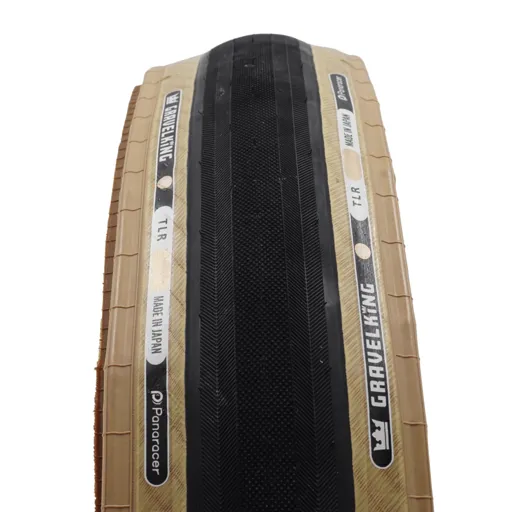
A smooth or lightly patterned center tread may suit many paved and firm-surface routes. Loose, muddy or unpredictable ground can call for different tread and casing choices. There is no universal “all-road tire width” or “gravel tire width” that answers those requirements by itself.
A more protective casing can add mass while improving suitability for sharp or remote terrain. A supple race casing can serve a different priority. Neither choice can be judged properly from the rim weight alone.
Hookless and tubeless are separate checks
“Tubeless-ready” does not mean every tubeless tire is approved on every hookless rim. Verify the exact tire model and size, rim design, width range and pressure restrictions. Follow all applicable limits; inserting a tube does not cure an incompatible tire-and-rim combination.
Impact resistance cannot be read from the category name
Repeated unpaved riding can expose wheels to sharp impacts, vibration and demanding cornering loads. Manufacturers can respond through rim geometry, laminate design, bead-area construction, spoke selection, hub design and the complete wheel build.
But none of that proves every gravel wheel is stronger than every all-road wheel. A lightweight gravel race product and a heavily loaded adventure product may pursue different compromises. Compare documented intended use, load limits and meaningful validation for the exact wheel.
A selection principle, not a structural equation. Passing one check does not compensate for failing another.
Check the load definition carefully. A maximum rider weight is not the same as maximum system weight, which commonly includes the bicycle, equipped rider and luggage. Follow the manufacturer’s specific definition and any restrictions for the chosen setup.
Weight capacity does not grant permission for every riding style. Being below a load limit does not authorize riding outside the product’s use category. Likewise, a tire insert may change the tire system’s behavior, but cannot upgrade the wheel’s approval.
What makes an impact-test claim useful?
Context: the test method, impactor shape, tire and pressure, impact location and failure criterion. A dramatic energy figure is difficult to compare when the test conditions are missing. Carbon fiber grade alone does not establish finished-rim impact resistance or fatigue life.
Aerodynamics did not stop at the tarmac
Rim depth is a route decision—not an all-road vs gravel rule
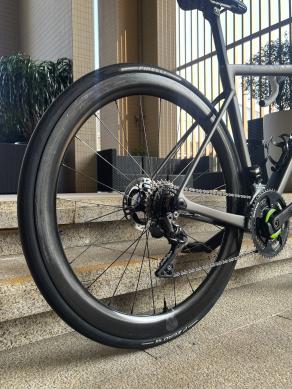
It is tempting to picture all-road wheels as deep and fast, gravel wheels as shallow and tough. That picture is incomplete. Gravel race wheels can be aerodynamically optimized, while road-oriented wheels can prioritize low mass or handling.
The relevant aerodynamic system includes the mounted tire. A rim optimized with one tire profile may behave differently with another. Without comparable testing, avoid assigning a fixed speed advantage from depth or external width alone.
Do not give up the tire your route needs to preserve a rim’s marketing story.
On exposed routes, crosswind handling also deserves attention. On rough or twisting terrain, predictable control can outweigh a theoretical aerodynamic gain. Choose depth after establishing tire fit and use suitability—not as a substitute for them.
Why the fastest setup is not always the lightest or narrowest
Lower mass helps climbing and acceleration, but a quoted wheel weight describes only part of the ride-ready assembly. Tires, sealant, inserts where used, cassette and rotors all belong in a consistent comparison.
Rolling resistance is also a tire-system issue. Casing, tread, pressure, dimensions and surface affect losses. More pressure is not automatically faster on rough ground: the system must accommodate the surface without excessive bouncing or inadequate tire support.
That does not mean “lower is always better.” Pressure that is too low for the load can allow casing movement or bottom-outs and increase the risk of rim strikes. Start with relevant manufacturer guidance, use a reliable gauge and make controlled adjustments.
What road time can hide
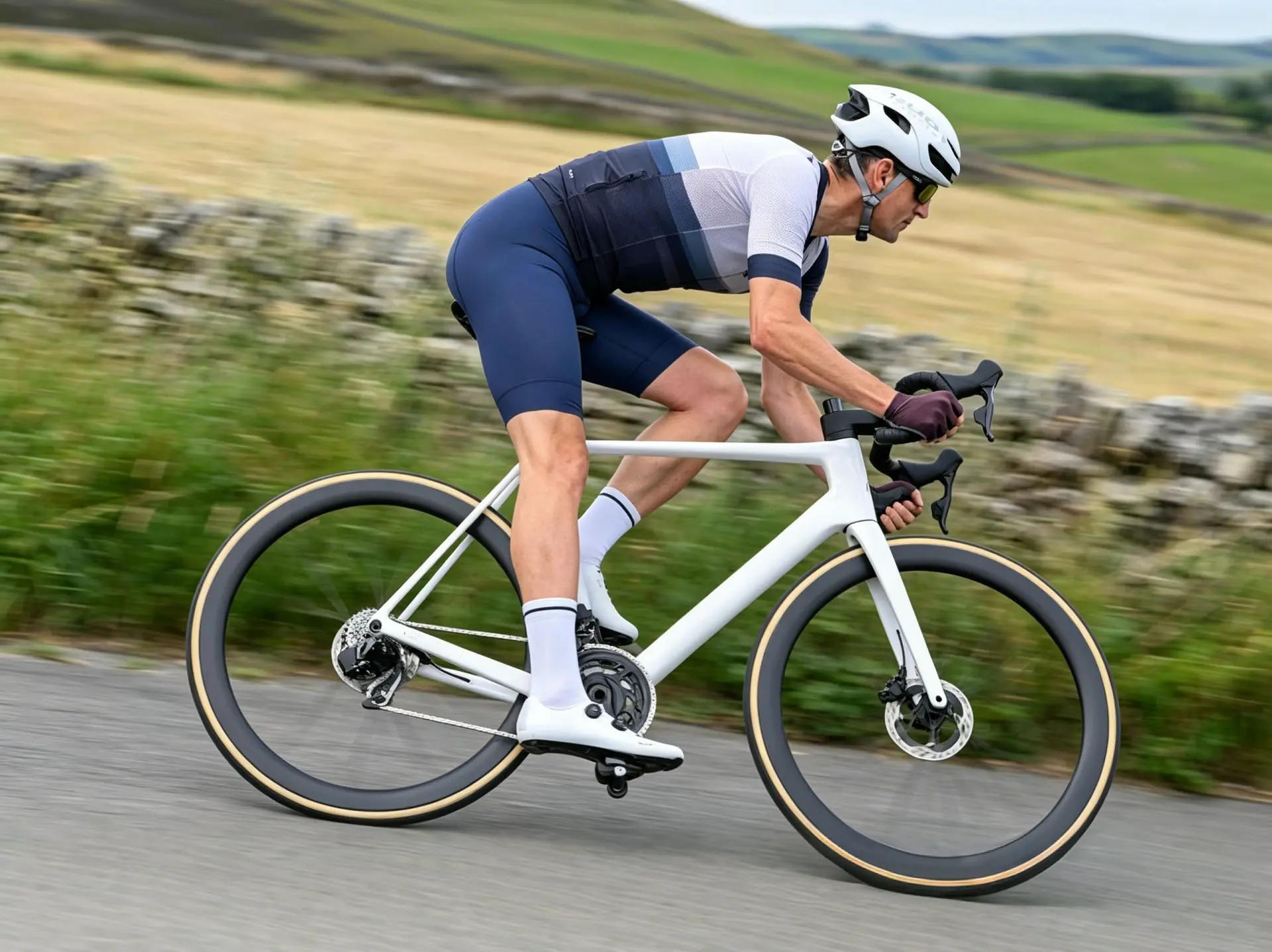
An efficient all-road setup may feel excellent on the long paved approach, yet become the limiting factor on loose corners or rough descents. A more capable gravel tire may cost some paved-road efficiency but provide a better overall ride. The correct trade-off depends on your terrain and priorities, not a universal category ranking.
A specification-first comparison
What to compare on two actual product pages
| Specification | What matters | What not to assume |
|---|---|---|
| Intended use | Approval for the surfaces, speeds and riding style you regularly encounter. | That “all-road” means unrestricted off-road use. |
| Tire compatibility | Exact bead-seat diameter, permitted tire sizes, bead design, internal width and pressure restrictions. | That a physically mountable tire is an approved tire. |
| Load capacity | The correct rider or system-weight definition, including luggage where applicable. | That every gravel wheel is approved for heavy bikepacking. |
| Rim depth and shape | Handling priorities and evidence for the intended mounted tire. | That deep means road-only or shallow means more durable. |
| Published mass | Like-for-like configurations and consistent inclusion of tape, valves and other supplied parts. | That bare-wheel weight predicts total-system performance. |
| Hub and brake fit | Axles, spacing, end caps, cassette driver and rotor interface; correct brake compatibility and installation. | That disc-brake wheels are universally interchangeable. |
| Service support | Available spokes, nipples, hub parts, service instructions and clearly defined warranty or damage support. | That a long warranty covers every impact or use condition. |
Can one carbon wheelset cover all-road and gravel riding?
Yes, when one approved wheel-and-tire system meets both sets of demands. This is often a more useful question than deciding which category wins. Establish the demanding part of the route, then choose a suitable tire that still behaves acceptably on the rest.
If your road and off-road priorities pull far apart, two wheelsets can be convenient. But both must fit the bike, and switching them may require brake or shifting checks. Even identical rotor models do not guarantee identical rotor position between hubs.
Wheel diameter is a separate decision. Many all-road and gravel setups use 700C; some bicycles approve 650B as well. Neither diameter establishes the riding category. Check frame approval, tire clearance and the resulting outside diameter before making a conversion.
A wider tire cannot upgrade a wheel’s use rating
Tires can change grip, support and impact exposure, but they cannot authorize a road-only rim for rough gravel. The same is true of inserts, higher spoke counts chosen in isolation or a more robust-looking tire.
Product-page reading example
XDRU CHASE 45 AR
XDRU describes this model as a carbon road wheelset with a 45 mm deep, tubeless-ready rim. That makes it a relevant road-oriented product to investigate—not evidence of unrestricted gravel approval.
Check the exact tire range, pressure limits, load limit and permitted surfaces before matching it to your route. Do not read “AR” as a substitute for the manufacturer’s intended-use guidance.
Review the CHASE 45 AR road wheelset specifications →Questions to settle before buying
The details that change the decision
Can road carbon wheels be used on gravel?
Only when the exact wheel’s approved use covers that riding, and the tire system, load and installation comply with the documentation. Tire clearance alone is not permission.
Are gravel carbon wheels slower on the road?
Not inherently. The result depends on the tire, rim-and-tire aerodynamics, mass and setup. A coarse tread or protective casing may change road performance more noticeably than the wheel’s category name.
What tire width separates all-road from gravel?
There is no universal dividing width. The same nominal tire size can serve different routes with different casings, tread, pressures and rim pairings.
Does more internal width make a better gravel wheel?
Only if it creates a useful, approved pairing with the intended tire. Wider is not automatically more compatible, faster or more resistant to impacts.
Should a loaded rider always choose a gravel wheelset?
Choose the documented load capacity and use approval first. Neither all-road nor gravel is a universal weight rating. Include luggage according to the manufacturer’s load definition.
What is the best first question to ask the seller?
“Is this exact wheel configuration approved for my terrain, equipped load and intended tire?” That answer is more useful than an unsupported claim that a wheel is fast, versatile or adventure-ready.