
Wide vs. Narrow Rims
Understanding how rim width shapes your ride experience, comfort, and speed.
Rim width used to be one of those details most riders barely thought about. The wheel was either “good” or “light” or “aero,” and that was usually enough. But cycling has changed, and so has the way wheels are designed. Wider tires, lower pressures, tubeless setups, and more precise frame geometry have pushed rim width into the spotlight.

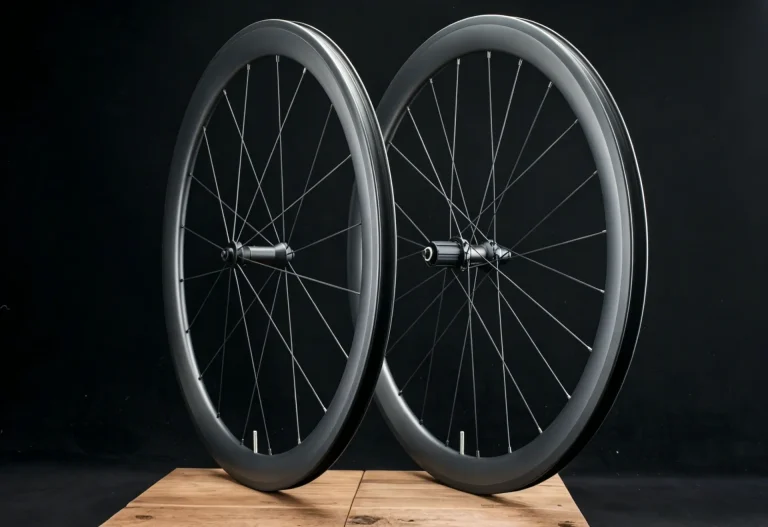
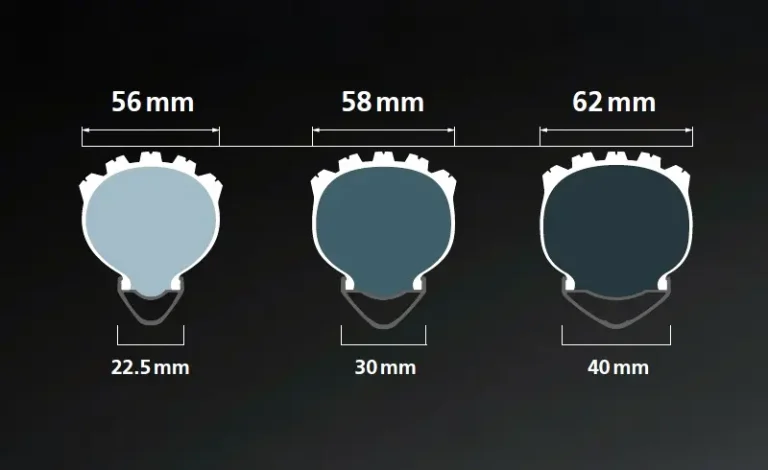
Modern wheelsets prioritize internal width for better tire support.
That shift makes sense. Rim width affects more than just how a wheel looks from the side. It changes how a tire sits, how the bike corners, how much pressure you can run, how comfortable the ride feels, and even how fast the wheel may be in the real world. In other words, this is not a minor spec. It is one of the things that quietly shapes the entire ride experience.
If you are trying to choose between wide rims and narrow rims, the real answer is not “one is always better.” It is more interesting than that. The best choice depends on your tire size, your riding style, your road conditions, and what kind of feeling you want from the bike.
Why Rim Width Matters More Than It Used To
For a long time, narrow rims were the norm. Tires were narrower too, and pressures were often very high. That setup made sense in an older era of cycling design. But modern bikes are different. Tires are wider. Riders care more about comfort and control. And the old “harder is faster” mindset has been challenged by a lot of real-world testing by authorities like Bicycle Rolling Resistance.
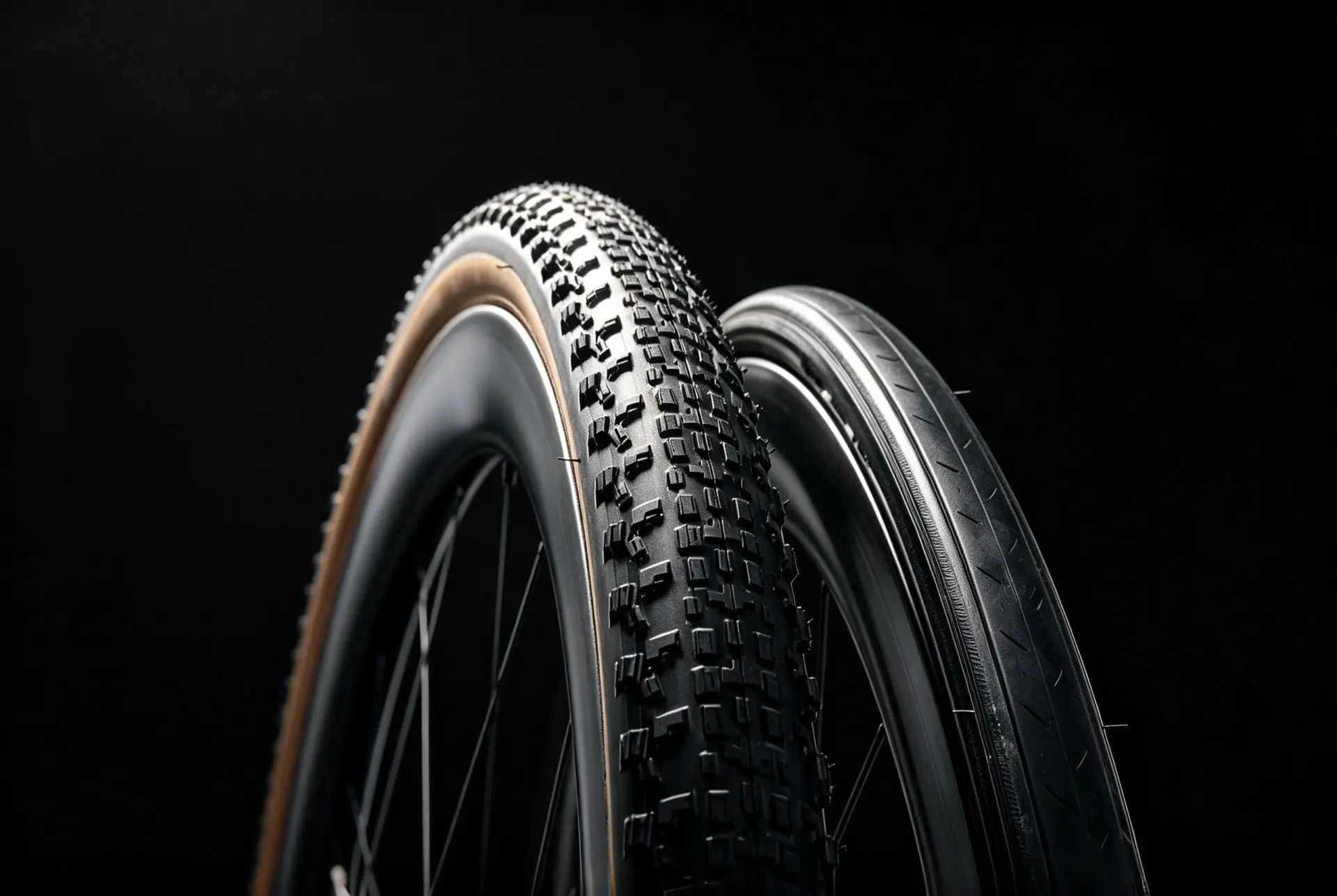
Rim width matters because the rim and tire work as a system. A tire does not behave the same way on every rim. Put the same 28 mm tire on a narrow rim and a wide rim, and the shape, support, and ride feel can change quite a bit.
What Wide Rims Actually Do
Wide rims generally support the tire better. That sounds simple, but the effects are broad. A wider internal rim width can help the tire hold a more stable shape. Instead of sitting tall and round in a way that can feel slightly vague, the tire spreads out a little more and gains support at the sidewalls.
Wide rims also make it easier to run lower pressures without the tire feeling sloppy. That is a big deal. Lower pressures can improve grip, reduce harshness, and help the wheel absorb small road imperfections more effectively. On rough asphalt, chip seal, or broken urban roads, that often makes the ride feel faster and less tiring, not slower.

There is also an aerodynamic angle. When rim width and tire width are well matched, airflow can be cleaner. Modern wide rims are often designed to work with modern wider tires, so the transition from tire to rim is smoother and less turbulent.
What Narrow Rims Still Do Well
Narrow rims are not obsolete. They still have a place, especially for weight-conscious climbers or those restoring classic builds. The biggest appeal is usually weight and simplicity. A shallower, narrower wheel can feel light and lively, especially on steep climbs or when accelerating from very low speed.
However, narrow rims often show their limits as soon as the riding gets more modern. They do not always support wider tires as well. If the tire grows too tall relative to the rim, the shape can become less balanced, which affects both handling and aerodynamics.
Comparison: Wide vs. Narrow Rims
| Feature | Wide Rims (Modern) | Narrow Rims (Classic) |
|---|---|---|
| Tire Support | Excellent; prevents “lightbulb” shape | Lower; tire can feel vague in corners |
| Ideal Pressure | Lower (better grip & comfort) | Higher (harsh on rough roads) |
| Weight | Slightly heavier (usually) | Lighter & snappier feel |
| Compatibility | 28mm+ Tires | 23mm – 25mm Tires |
Internal vs. External Width
Internal width is the space between the inside walls of the rim, affecting tire behavior. External width is the overall outside measurement, which matters more for aerodynamics. For road cycling today, internal widths in the low 20s mm are common, matching 25mm to 30mm tires perfectly.
“Comfort on a bike is not just about softness. It is about control, vibration management, and how the wheel responds to the road.”
Upgrade Your Ride Today
Looking for the perfect wheelset that balances width, weight, and aerodynamics? Explore our curated selection of modern road wheels.
Visit XDRU ShopThe Practical Way to Choose
Ask yourself: What tire width do I actually want to ride? How rough are my roads? Do I value comfort and grip, or do I want a more traditional, sharp feel? If you want a modern road setup with 25–30 mm tires, wide rims are usually the better fit.
If you’re still undecided, check out our previous deep dive on how tire pressure affects rolling resistance to see how width and pressure work together.
FAQ
Are wide rims better than narrow rims?
Wide rims are generally better for modern road bikes because they provide better tire support, improved cornering stability, lower rolling resistance with wider tires, and greater comfort. Narrow rims still suit older bikes, lightweight climbing setups, or riders using 23–25mm tires.
What tire width works best with wide rims?
Most modern wide rims pair best with 25mm to 30mm road tires. Internal rim widths of 19–23mm are commonly designed to optimize the shape, grip, and aerodynamics of these tire sizes.
Do wide rims make you faster?
They can. Wide rims improve tire shape and often allow lower tire pressures without increasing rolling resistance. When paired with the correct tire width, they may also improve aerodynamics, helping riders maintain speed more efficiently.
Are narrow rims still worth buying?
Yes. Narrow rims remain a good option for classic road bikes, rim-brake bicycles, lightweight climbing wheels, and riders who prefer 23–25mm tires. However, they are generally less compatible with today’s wider tire trends.
How does rim width affect ride comfort?
Wider rims better support larger tires, allowing lower air pressures. This improves vibration absorption, grip, and overall ride comfort, especially on rough pavement and uneven roads.
Does rim width affect handling?
Absolutely. Wide rims create a more stable tire profile, improving cornering confidence and reducing tire squirm. Narrow rims may feel quicker to steer but can be less stable when used with wider tires.
What is the difference between internal and external rim width?
Internal rim width determines how the tire is supported and directly affects ride quality and tire shape. External rim width mainly influences aerodynamics and frame clearance but has less impact on tire behavior.
Can I use wider tires on narrow rims?
Usually yes, but only within the rim manufacturer’s recommended compatibility range. Using tires that are too wide on narrow rims can produce a “lightbulb” tire shape, reducing cornering stability and aerodynamic performance.
What internal rim width is recommended for modern road bikes?
For most road cyclists using 25–30mm tires, an internal rim width between 21mm and 23mm offers an excellent balance of comfort, handling, rolling efficiency, and aerodynamic performance.
Should I choose wide or narrow rims for my next wheelset?
If you’re building a modern road bike with 25–30mm tires, wide rims are typically the better choice for comfort, grip, stability, and efficiency. Narrow rims remain suitable for classic bikes, lightweight climbing setups, or riders using traditional narrow tires.