

Top 10 Carbon Bicycle Wheelset Brands Beyond the Logo.
Ten brands worth understanding. The engineering differences that matter. And a clearer route to carbon wheels that actually fit your riding.
Zipp, ENVE, DT Swiss, Roval, Reserve, Shimano, Campagnolo, Fulcrum, HUNT, and Light Bicycle make this editorial shortlist of the top 10 carbon bicycle wheelset brands. Each offers a different reason to look closer, from integrated aero development to configurable builds and discipline-specific carbon rims.
But the best carbon wheelset for a road racer is not automatically the right upgrade for a gravel explorer or a rider shopping for 29 inch carbon MTB wheels. A useful comparison starts with the wheel–tire system, your bike’s interfaces, the intended terrain, and the ownership experience—not a logo or a single weight figure.
The shortlist, decoded.
Use this as a starting map, not a podium. The “comparison angle” describes why a brand belongs on your research list, not a proven superiority over every alternative.
| Brand | Comparison angle | Relevant product examples | Detail to verify |
|---|---|---|---|
| Zipp | Wide-tire road and mixed-surface systems | 303 SW, 353 NSW | Approved tires and model-specific pressure limits |
| ENVE | Aero development around defined tire sizes | SES 4.5, G SES 4.5 | Road versus gravel rim and tire requirements |
| DT Swiss | Separate aero, endurance, and XC platforms | ARC, ERC, XRC | Exact hub, brake interface, and wheel generation |
| Roval | Distinct road, climbing, gravel, and MTB families | Rapide, Alpinist, Terra, Control | Complete pair versus individual-wheel listing |
| Reserve | Road, gravel, and trail-specific choices | 34|37 SL, 40|44 GR, 30|SL Carbon | Carbon versus aluminum and selected hub build |
| Shimano | Road-wheel and drivetrain integration | DURA-ACE C50 | Specific cassette compatibility |
| Campagnolo | Distinct disc-brake and rim-brake Bora options | Bora WTO 45 C23 DB, Bora WTO 45 | Brake version, internal width, and freehub |
| Fulcrum | Road-to-gravel crossover engineering | Sharq, Speed, Wind | Exact rim profile and intended-use category |
| HUNT | Aero-focused road-wheel comparison | 48 Limitless, SUB50 Limitless | Standard, UD, and newer product variants |
| Light Bicycle | Configurable carbon wheel builds | Falcon AR46 | Final rim, hub, spoke, axle, and brake specification |
Ten brands. Ten reasons to look closer.
Zipp
A road wheel is more than an aero rimZipp is a useful starting point when your search moves beyond “carbon road wheelset disc” toward the complete wheel–tire system. Its 303 SW combines a 40mm-deep carbon rim with a 25mm internal width and an integrated AXS wheel sensor for tire-pressure monitoring. Zipp positions it for road, gravel, cobbles, and cyclocross.
That makes it relevant to riders comparing a carbon gravel wheelset 700c with a road-oriented upgrade for rough pavement. The important limitation is model specificity: tire approvals, pressure limits, and intended-use guidance must come from the exact wheel’s current documentation. A hookless rim is not permission to fit any tubeless tire.
Zipp 303 SW
A mixed-surface carbon disc platform with a 40mm rim, 25mm internal width, and integrated pressure monitoring. Check the current approved-tire information before choosing your setup.
ENVE
Read the tire requirement firstENVE makes the tire’s role unusually explicit. The SES 4.5 uses different front and rear depths—50mm and 56mm—with a 25mm internal rim width. It is a relevant benchmark when comparing a 50mm carbon disc wheelset, although it is not a symmetrical 50/50mm design.
The gravel-specific G SES 4.5 shows why family names alone are not enough. Its published specification lists a 30mm internal width, 49/55mm front/rear depths, and a 40mm minimum labeled tire size. If you are comparing an aero gravel wheelset with carbon road bike wheels disc brakes, these are different systems—not interchangeable versions of the same idea.
ENVE SES 4.5
700c, Center Lock disc, 50/56mm rim depths, and a 25mm internal width. ENVE specifies tubeless tires only; consult the exact model’s current tire chart and pressure instructions.
DT Swiss
Aero, endurance, and XC are different jobsDT Swiss makes a strong case for shopping by discipline before shopping by price. Its ARC road family focuses on aerodynamic applications, ERC targets endurance riding, and XRC serves cross-country mountain biking. Someone looking for the best carbon wheels for an endurance bike should not assume that a deeper aero wheel or a lighter XC wheel answers the same need.
The XRC 1200 SPLINE provides a concrete reference for a 29 XC wheelset: its listed platform uses carbon hookless tubeless rims and 180-series hubs with Ratchet EXP 54. Verify the selected axle and rotor configuration. For a carbon MTB wheelset 29 Boost, the exact hub dimensions matter as much as the name on the rim.
Roval
Start with Rapide, Alpinist, Terra, or ControlRoval’s range gives riders several distinct starting points: Rapide for road-racing research, Alpinist for climbing-focused comparisons, Terra for gravel, and Control for cross-country. Current listings include Rapide CLX III, Alpinist CLX III, Terra CLX III, and Control World Cup.
This is useful when narrowing an overly broad search for the best carbon fiber bike wheels. Start with the appropriate family, then compare the exact generation, rim construction, tire requirements, and supplied parts. Pay particular attention to the transaction: some listings price a front or rear wheel individually. A low “starting at” figure is not necessarily the cost of a complete pair.
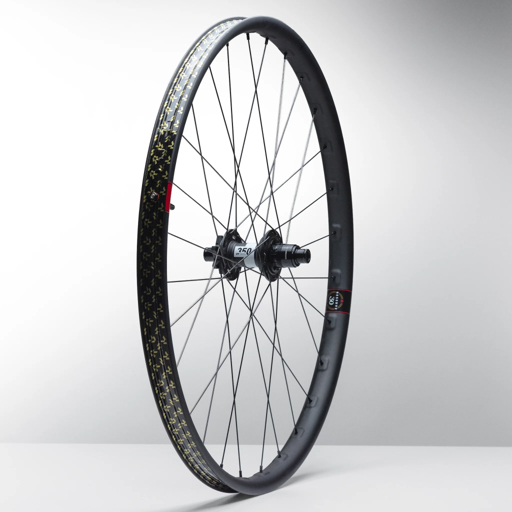
A trail wheel is not a road wheel with a wider tire.
Compare the intended-use category, tire support, hub spacing, and complete build before comparing grams. An XC race application and an enduro application deserve separate shortlists.
Reserve
Read the build, not just the rim nameReserve belongs on both road and off-road research lists. Its catalog separates road options such as the 34|37 SL, gravel wheels including the 40|44 GR, and mountain builds such as the 30|SL Carbon. That breadth is useful if your riding spans fast road days and dedicated trail sessions, but it does not make one wheel suitable for all three disciplines.
The 30|SL Carbon is a tangible reference for a carbon trail wheelset: published specifications include a 30mm internal width, 28 spokes, and Boost spacing of 15×110mm front and 12×148mm rear. Reserve also uses similar naming across carbon and aluminum products, so confirm the material and selected hub package before ordering.
Reserve 30|SL Carbon
A mountain-wheel option to compare when researching 29 inch carbon MTB wheels. The listed intended uses include trail, all-mountain, and enduro; check your chosen build and current regional warranty terms.
Shimano
“12-speed” is not the whole specificationShimano’s DURA-ACE C50 tubeless disc wheels provide a clear reference for riders comparing 50mm carbon disc wheels. The WH-R9270-C50-TL uses a 50mm-deep full-carbon rim with a 21mm internal width, while the rear wheel incorporates Shimano’s Direct Engagement hub system.
Here the purchasing caveat is especially important: Shimano lists the WH-R9270-C50-TL rear wheel as compatible only with Shimano road 12-speed cassette sprockets. Do not treat it as a generic HG option for every 11-speed carbon wheelset upgrade. The exact cassette interface—not the number “12” in a search query—determines compatibility.
Campagnolo
Bora is a family, not one wheelCampagnolo is particularly useful for understanding why “Bora WTO 45” is not a complete specification. The Bora WTO 45 C23 Disc Brake is a 45mm-deep carbon disc model. The rim-brake Bora WTO 45 is a different product, with a published 19mm internal width and AC3 carbon braking surface.
Riders searching for a 45mm carbon wheelset or the best carbon wheelset rim brake should compare those versions separately. The rim-brake model’s 2-Way Fit design supports clincher and tubeless tires, but tire approval, brake-pad instructions, axle fit, and freehub selection still need confirmation. A shared family name does not make disc and rim-brake wheels interchangeable.
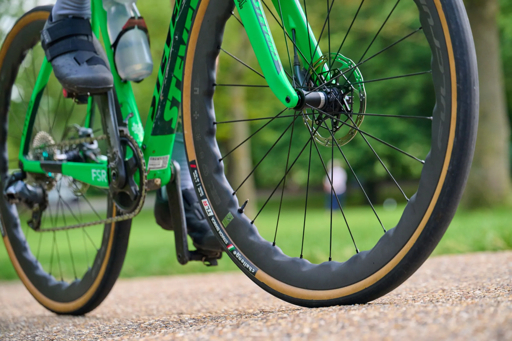
Look beyond a single depth number.
Variable-depth rims and different front/rear depths complicate a simple “40 versus 50mm” comparison. Read the full profile, tire specification, and intended use before deciding what the number means.
Fulcrum
A distinctive route from tarmac to gravelFulcrum’s Sharq is relevant to riders comparing carbon wheels for gravel with a fast all-road setup. The original Sharq specification describes a 2-Wave rim profile varying from 42 to 47mm in depth, a 25mm internal width, and A3RO steel spokes.
Fulcrum positions that model for mixed terrain from tarmac to gravel and lists it in ASTM category 2. Its appearance is distinctive, but appearance alone is not evidence that it is faster than every conventional rim. Compare it with a 40mm carbon disc wheelset or 45mm deep carbon wheels using the tires, conditions, and use category you actually intend to ride.
HUNT
Compare generations before comparing dealsHUNT deserves consideration when researching the best value carbon road wheels, especially if you want to compare a complete aero-focused specification rather than simply chase the lowest advertised price. Its 48 Limitless Aero Disc provides a concrete example: a 48mm rim depth and 22.5mm internal width.
HUNT also offers newer SUB50 Limitless products and separately named variants. Do not transfer the weight, spokes, warranty, or aerodynamic claims of one version to another. A manufacturer’s “fastest” claim needs its test conditions and comparison set; it should not become an unqualified verdict in your buying decision.
Light Bicycle
Custom carbon wheels need a precise briefLight Bicycle stands out in this shortlist for its configurable buying process. The Falcon AR46 platform allows choices across hubs, spokes, freehubs, axle standards, and other build details. Its 46mm depth makes it relevant to riders considering an all-round carbon rim wheelset without committing to a much deeper profile.
Configuration is the advantage—and the responsibility. A carbon clincher rim brake wheelset and the AR46 disc build require different specifications. If you are searching for a 700c carbon wheelset rim brake, verify the brake track, approved pads, hub dimensions, tire compatibility, and complete-build weight instead of relying on the lowest headline price.
Light Bicycle Falcon AR46
A configurable 46mm-deep platform. The published hooked rim specification lists 21mm internal and 28mm external widths. Final price, weight, compatibility, and delivery depend on the build.
Choose the riding brief before the badge.
The most useful shortlist is narrower than ten brands. Define the job, eliminate incompatible products, then compare the remaining builds.
One pair. Many routes.
For the best all around carbon wheelset, compare mid-depth road platforms such as Zipp 303 SW, ENVE SES 4.5, Shimano C50, and relevant DT Swiss or Roval models. A 45mm carbon disc wheelset and a 50mm carbon disc wheelset are useful comparison categories, not guarantees of identical handling or speed.
Start at the tire.
For the best carbon wheels for gravel, first define your tire and terrain. A 700c carbon gravel wheelset for fast dirt roads may require a different rim from a wide-tire racing setup. Compare approved tire sizes and intended use across ENVE G SES, Reserve GR, Fulcrum Sharq, and suitable Zipp models.
Separate race weight from trail duty.
A search for the best carbon mountain bike wheels 29 should separate XC racing from trail and enduro. DT Swiss XRC and Roval Control belong in XC research; Reserve’s mountain offerings provide trail-oriented alternatives. For a carbon boost wheelset 29, verify axle spacing and the complete hub build.
Keep compatibility in the foreground.
A carbon road wheelset rim brake must match the bike’s braking system, hub fit, and tire clearance. Campagnolo’s rim-brake Bora and a correctly configured Light Bicycle build are relevant starting points. Do not substitute a disc-only rim, even when its diameter and depth appear identical.
The right wheel is the one whose complete specification survives your compatibility checklist.
The five checks that prevent an expensive mismatch.
- Wheel size and intended use. Match the manufacturer’s wheel-size specification and terrain approval to your bike. Do not treat a carbon gravel wheelset 700c, carbon 650b gravel wheels, and a 29-inch mountain build as interchangeable shopping categories. For a carbon mullet wheelset, confirm the complete front/rear size combination with the frame manufacturer.
- Brake and axle interfaces. Confirm disc versus rim brake, the required rotor mounting system, and front/rear axle dimensions. Reserve’s listed 30|SL Carbon Boost build uses 15×110mm and 12×148mm; ENVE’s listed SES 4.5 road build uses 12×100mm and 12×142mm. Similar-looking hubs can fit different bikes.
- Freehub and exact cassette. “12 speed carbon wheelset” is not a complete compatibility specification. Record the cassette model and match it to the selected freehub. Shimano’s DURA-ACE C50 rear restriction illustrates why a general assumption about brand or speed count can fail.
- Tire approval and pressure. A carbon tubeless disc wheelset needs an approved rim–tire combination. Follow the current instructions for tire type, width, inflation, tape, and valves; respect both wheel and tire limits. Never assume adding an inner tube makes an otherwise unapproved combination acceptable.
- Load limits and ownership support. When comparing carbon wheels for heavy riders, establish whether a limit refers to rider weight or total system weight. Then check intended use, replacement parts, warranty eligibility, and crash-replacement terms. A headline rim-weight figure does not answer those questions.
Value is a complete build—not a sale sticker.
Searches for the best carbon wheels under 1000 or the best budget carbon wheelset road bike can reveal very different offers. Before comparing prices, establish whether the listing includes two wheels, the correct freehub, necessary tubeless components, and the configuration your bike needs. Add shipping, taxes, and any required adapters or replacement parts to the comparison.
The best value carbon disc wheelset is not automatically the cheapest one, and an expensive wheel is not automatically better suited to your riding. Use premium products to understand the available engineering, then evaluate lower-priced alternatives against the same compatibility and support checklist.
XDRUCHASE 50 AERO
A specification-led option for riders comparing a 50mm carbon disc wheelset with more expensive road-wheel platforms. Included here as a product from this article’s publisher, not as an independently tested category winner.
Explore the CHASE 50 AERO specification →- Rim depth
- 50mm
- Internal width
- 21mm
- External width
- 28mm
- Listed weight
- 1500 ± 30g
XDRU lists a tubeless-ready carbon rim, a 36T ratchet hub, 24 front and 24 rear bladed spokes, 12×100mm front and 12×142mm rear axles, and Shimano HG 11/12-speed or XDR freehub options.
These are manufacturer-listed specifications, not independent test results. Confirm wheel diameter, the exact cassette and rotor interface, approved tires, pressure limits, total load rating, and included accessories before ordering. Check the live product page for current pricing and configuration.
Questions worth asking before checkout.
Which brand makes the best carbon bicycle wheelset?
There is no evidence here for a universal winner. Start with the discipline: road, gravel, XC, trail, or a specific rim-brake bike. Then compare compatible models within your budget. This shortlist identifies brands worth researching; it does not claim that every wheel from one brand beats every wheel from another.
Should I choose a 40mm, 45mm, or 50mm carbon wheelset?
Do not choose from depth alone. Compare the full rim profile, front/rear depths, tire specification, intended use, and available handling evidence. Zipp’s 303 SW, ENVE’s SES 4.5, and Fulcrum’s Sharq show three different approaches; a single depth number does not describe the entire wheel.
Can a carbon road wheelset also be used on gravel?
Only when the manufacturer approves the exact wheel and tire setup for that use. Zipp positions the 303 SW for mixed surfaces, while ENVE publishes separate road SES and gravel G SES specifications. Being 700c, carbon, and tubeless-ready does not by itself establish gravel suitability.
Are carbon wheels for rim brakes still worth considering?
They remain relevant for a compatible rim-brake bike, and this guide identifies dedicated options rather than disc-wheel substitutes. Compare the approved tire setup, brake pads, brake-track instructions, clearances, and axle dimensions. A carbon clincher rim brake wheelset must be evaluated as a braking system, not just a lighter pair of rims.
What should heavier riders prioritize?
Start with the exact load definition and the approved use. For a carbon wheelset for heavy riders, ask whether the limit includes the bicycle, luggage, bottles, and clothing. A suitable load rating, appropriate complete build, and clear after-sales support are more useful than searching for the lightest possible rim.
What separates custom carbon wheels from an off-the-shelf pair?
A configurable build can let you select hubs, spokes, freehub, axle fit, finish, or rim details, as demonstrated by Light Bicycle’s AR46 ordering system. That flexibility does not make every configuration equivalent: request a final written specification, complete-build weight estimate, delivery schedule, and applicable warranty before paying.
