
Table of Contents
ToggleA practical, experience-driven look at how 29 inch carbon mountain bike wheels transform speed, control, and trail feel — without the marketing fluff.
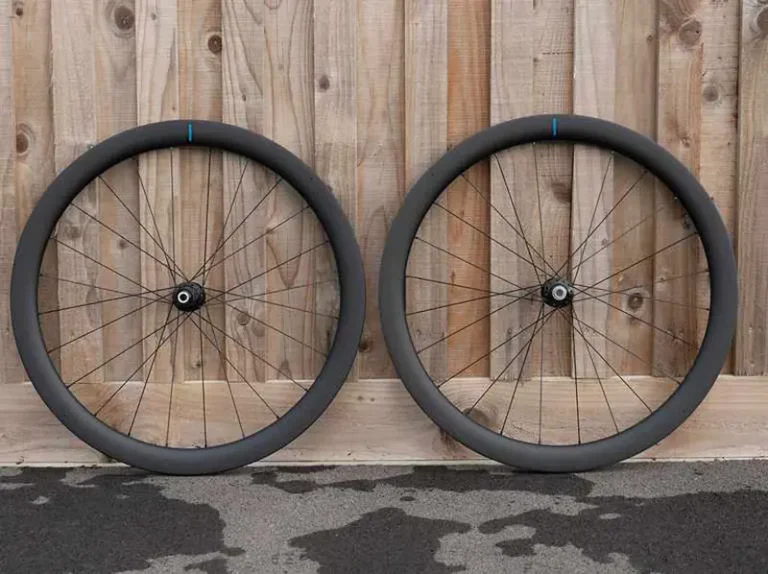
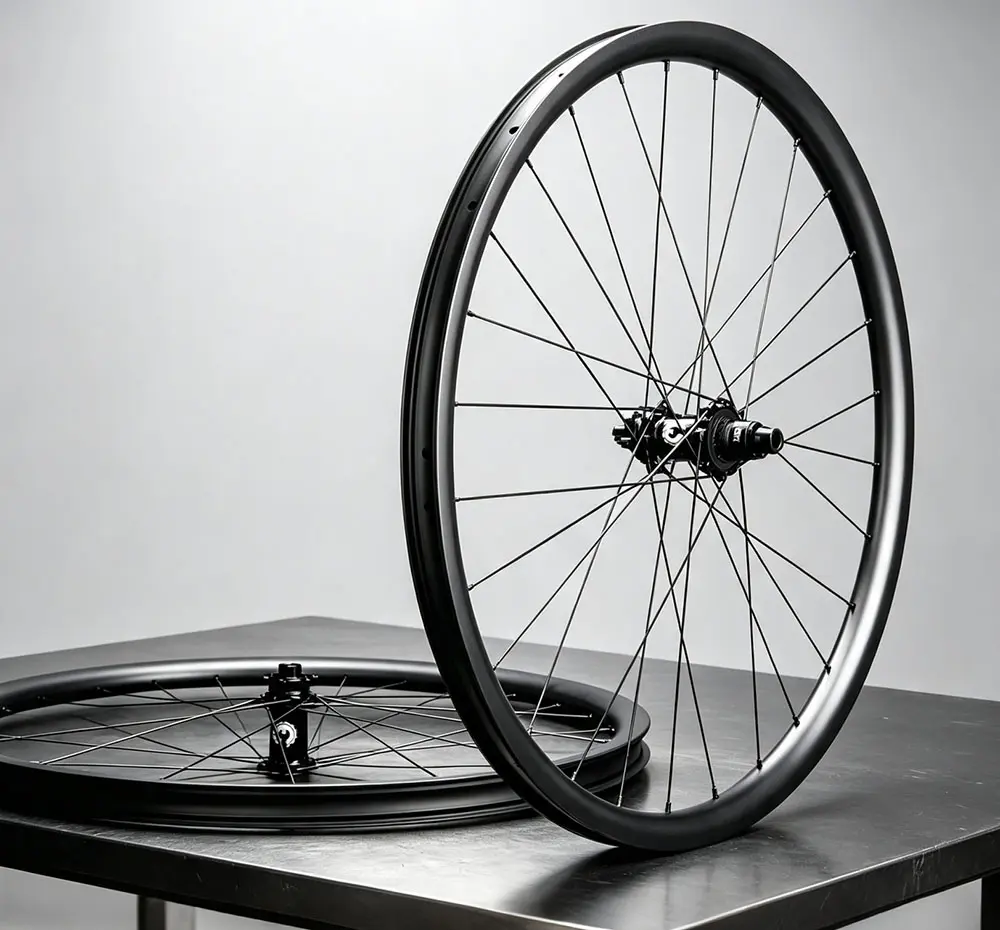
The real reason 29 inch carbon mountain bike wheels have become the gold standard isn’t a single metric — it’s how they weave together momentum, precision, and compliance. They help you carry speed through rock gardens, rail corners with confidence, and climb with less wasted energy. That combination is hard to unfeel.
Carbon = precision.
Together, they make the bike feel alive.
Why 29er Still Dominates the Trail
The 29-inch platform isn’t just a marketing holdover. Under the ISO 5775 standard, the 622 mm bead seat diameter is the same foundation used for 700C road wheels. That shared specification means tire choice, rim compatibility, and aftermarket support are unmatched. But more importantly, the 622 mm diameter rolls over obstacles with a smoothness that smaller wheels simply can’t match.
On loose rock, braking bumps, or square-edged ledges, a 29er maintains its line and momentum where a 27.5″ wheel would stall or deflect. That’s why 29 inch carbon mountain bike wheels have become the default choice for XC racing and a dominant force in trail and enduro.
What Carbon Actually Brings to the Table
Carbon fiber isn’t just a lighter alternative to aluminum — it’s a fundamentally different engineering material. With carbon, manufacturers can tune the rim’s stiffness, compliance, and impact resistance in ways that metal doesn’t allow. The result? A wheel that feels more direct under power, more composed under braking, and more communicative through the handlebars.
When you step onto a bike fitted with 29 inch carbon mountain bike wheels, the difference is immediate. The bike responds quicker to pedal inputs, holds a line more faithfully through chunder, and transmits less harsh vibration to your hands and feet.
Acceleration
Less rotational mass at the rim means the wheel spins up faster. That’s the difference between lunging out of a corner and flowing through it.
Precision
A stiffer, more torsionally rigid wheel tracks exactly where you point it, even under heavy braking or when the trail gets rowdy.
Reduced Fatigue
Carbon’s natural vibration damping means fewer micro-corrections and less arm pump over a long day in the saddle.
Where the Upgrade Hits Hardest
The best way to evaluate 29 inch carbon mountain bike wheels is to ask not “are they lighter?” but “where does that lightness show up?” It shows up when you’re grinding up a steep, loose climb and every watt matters. It shows up when you exit a tight switchback and the bike surges forward without hesitation. It shows up when you’re blasting through a rock garden and the wheels stay calm instead of skipping sideways.
That’s why experienced riders often describe the carbon upgrade as cleaner rather than just faster. Cleaner pedaling. Cleaner steering. Cleaner feedback from the trail. Once you’ve felt it, alloy wheels can feel vague by comparison.
“The biggest win isn’t that carbon makes the bike feel exotic — it makes the bike feel efficient. And efficiency, on a mountain bike, is what lets you go further and faster with less effort.”
— XDRU Wheel Test TeamWeight, Stiffness, and the Part Most Riders Overlook
Everyone obsesses over weight first. But a lightweight wheel that flexes excessively under load will feel vague and unresponsive. The real magic of 29 inch carbon mountain bike wheels is their ability to balance low rotational mass with high torsional and lateral stiffness.
In independent testing, carbon MTB wheels consistently outperform alloy on the stiffness-to-weight ratio. They hold tension better, stay true longer, and resist the kind of flex that robs you of power and steering accuracy. That’s why many riders choose carbon not just for racing, but for the sheer consistency it brings to every ride.
| Rider Type | Why Carbon Helps | Watch Out For |
|---|---|---|
| XC Racer | Lightweight for rapid acceleration, precise climbing, and reduced fatigue | Don’t overbuild — extra weight kills the lively feel |
| Trail Rider | Better line control, more settled ride on rough terrain, wider tire support | Choose a robust layup for your local rocks and roots |
| Enduro / Aggressive | Sharp tracking, composed chassis, and impact resistance when built right | Prioritize durability over chasing the lightest gram |
Why Tire Pairing Is Non‑Negotiable
A premium carbon wheelset is only as good as the tires you mount on it. Tire width, casing construction, and pressure determine whether the wheel feels lively or lethargic. On 29 inch carbon mountain bike wheels, the wrong tire can make a beautifully engineered rim feel numb. The right tire makes it feel locked in and almost telepathic.
This is where carbon rims truly excel: they support wider tires better, hold shape more consistently at lower pressures, and deliver more predictable traction when the trail gets loose. Tubeless setups are almost mandatory — they let you run lower pressures safely, which unlocks the full grip and comfort potential of the 29er carbon platform.

How to Choose the Right Wheelset
Start with your terrain and riding style. If you race XC, prioritize weight and acceleration. If you ride technical trail, look for a balanced build with a proven hub and a rim width that matches your preferred tire size. If you ride hard and fast, invest in a wheelset with a durable layup and impact-resistant rim design.
In other words, don’t buy the wheel that sounds best in a vacuum. Buy the wheel that fits your riding, week after week. A great place to start is the XDRU homepage, where you can explore the full lineup. For direct product browsing, head to the MTB carbon wheelsets category to compare models side by side.
If you’re newer to carbon wheels, you might also find this helpful: Can Beginners Ride Carbon Wheels? — it covers the learning curve and what to expect when making the switch.
Final Take: Why They’re Worth It
The enduring appeal of 29 inch carbon mountain bike wheels isn’t hype — it’s physics, feel, and repeatable real-world benefit. They help a bike accelerate more cleanly, track more precisely, and stay calmer when the trail tries to knock you off line. They reduce fatigue, increase confidence, and make every ride feel more connected to the ground.
That’s why they matter. Not because they’re fashionable. Because they work. And once you’ve ridden a set, you’ll understand why so many riders consider them the single most impactful upgrade on their bike.
Frequently Asked Questions
Are 29 inch carbon mountain bike wheels worth the investment?
Yes — especially if you ride frequently and value acceleration, precision, and reduced fatigue over long distances. The performance gains are tangible, particularly on climbs and through rough terrain. For many riders, it’s the single most noticeable upgrade they make.
How much weight can I save with carbon MTB wheels compared to alloy?
A quality carbon wheelset typically saves 300–600 grams per pair compared to a comparable alloy set. More importantly, the weight is saved at the rim, which dramatically improves rotational inertia and acceleration — the bike feels quicker and more responsive with every pedal stroke.
Are carbon wheels durable enough for aggressive trail and enduro riding?
Modern carbon MTB wheels are engineered to withstand significant impacts. With proper rim construction and impact-resistant resins, they hold up well to aggressive trail and enduro use. Many riders find them more durable than alloy in the long run because they stay true longer and resist denting.
What tire width works best with 29 inch carbon mountain bike wheels?
For XC, 2.25–2.4 inches is common. For trail and enduro, 2.4–2.6 inches offers better traction and support. The ideal width depends on your rim’s internal width — match the tire to the rim for optimal performance and tubeless reliability. Most carbon wheels are optimized for 2.3–2.5″ tires.
Do I need to change my riding style when switching to carbon wheels?
Not necessarily, but you’ll notice the bike feels more responsive and precise. You may find yourself carrying more speed through corners and climbing with less effort. The biggest adjustment is trusting the wheel’s stability under load — carbon gives you confidence to push harder.
How do I maintain 29 inch carbon mountain bike wheels?
Regularly check spoke tension, keep the rim clean, and inspect for any cracks or impacts after hard rides. Carbon rims require no special maintenance beyond what alloy wheels need, but they do benefit from careful torque specs on hub and cassette fasteners. A simple wipe-down after muddy rides goes a long way.
1