
The buying brief / Carbon road wheels / Long-term ownership
A lower price is a number.Good value is a relationship.
What makes a carbon wheelset good value for money? Useful performance, safe compatibility, credible construction and manageable ownership costs— delivered at a price that makes sense for your riding.
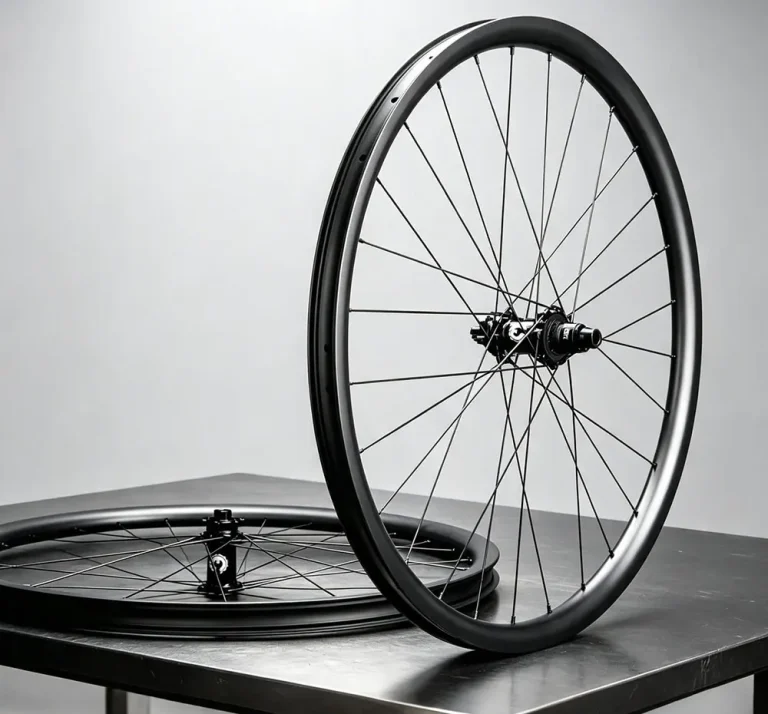
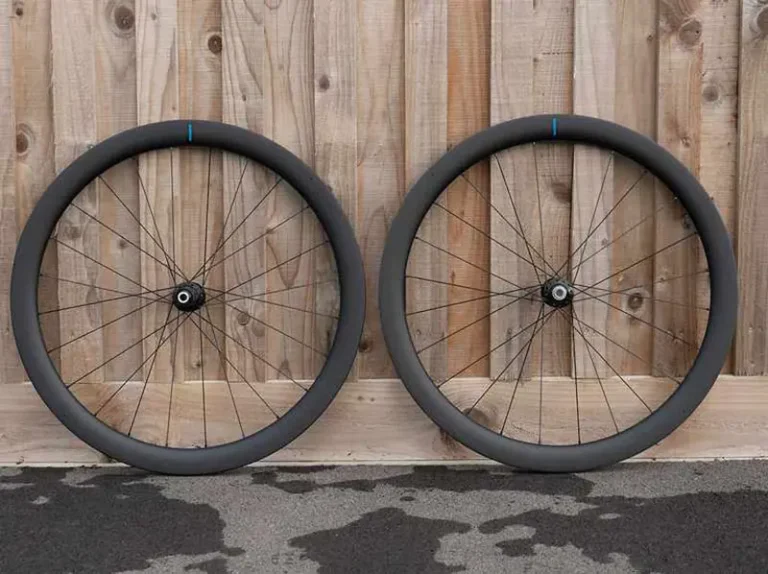
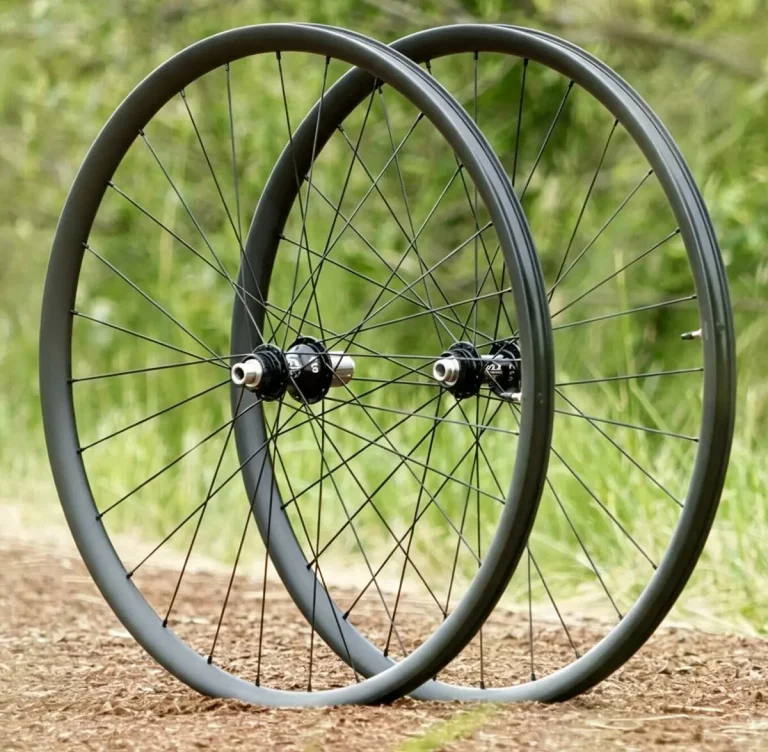
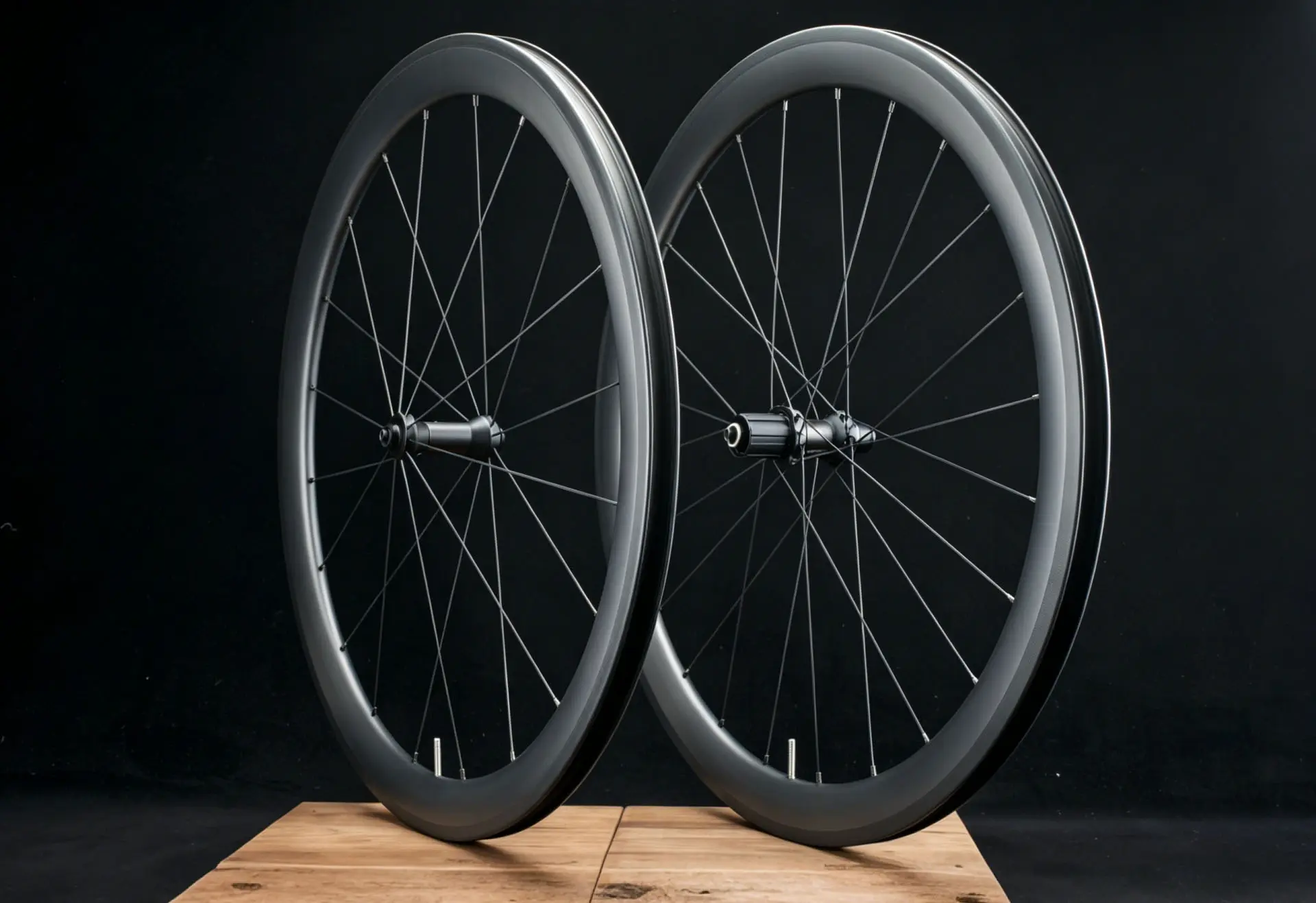
Two wheelsets can look remarkably similar in a product photograph. Both have deep carbon rims. Both promise low weight and high performance. One costs considerably more. The difficult part is working out whether the difference buys something you will actually use.
The answer is rarely hidden in a single specification. Value emerges from the relationship between the wheel, the rider and the years of ownership that follow. A modestly priced wheelset can be an excellent purchase. A premium one can be worth its price. Either can also be poor value when selected for the wrong reasons.

Good value starts with a clear riding brief
Before comparing prices, describe what the new wheels need to do. Fast riding on open roads creates a different brief from steep, exposed climbing routes. Year-round endurance riding brings maintenance and tire practicality into sharper focus.
Road-wheel buying guidance consistently treats rim depth, weight, braking system and intended use as connected decisions. A wheelset is not better value simply because it is deeper or lighter: those features need to serve your particular use. [27]
It also helps to identify what your current wheels do badly. Are they difficult to service? Do they limit your preferred tire setup? Are you seeking a more aerodynamic configuration for racing? A clear limitation is a better starting point than a vague desire for “an upgrade.”
The relevant price is the cost of ownership
The advertised wheelset price is only the beginning of a useful comparison. Depending on the product and your existing equipment, the final bill may include tires, valves, tape, a different freehub body, rotors, fitting labor, delivery or import charges. Check what is included rather than assuming every package is equivalent.
A budgeting framework—not a performance score
Ownership cost = purchase + setup + servicing + uncovered repairs − resale
Estimate these items over the same ownership period. Keep uncertain repair and resale assumptions visible instead of presenting them as guaranteed future costs or returns.
Warranty and crash-replacement terms belong in this calculation, but not as interchangeable benefits. Published support policies distinguish manufacturing-defect coverage from assistance after crash damage, and may impose ownership, maintenance and usage conditions. [47][50]
Compare like with like
If one wheelset includes tubeless accessories and another does not, normalize the setup cost. If published weights use different configurations, ask what has been weighed. If the cheaper option requires a new cassette or a tire change you did not budget for, include that consequence before deciding.
Pay for a useful improvement, not an impressive label
Aerodynamics needs context
Deeper rims can offer aerodynamic benefits, but depth alone does not establish which wheel is faster. The complete rim profile, tire combination and test conditions matter. Ask for the reference wheel, test speed and wind-angle information behind a claimed saving. A number without its comparison is difficult to value. [9][27]
Weight should be judged alongside the job
Lower wheel weight can be a relevant goal, especially for climbing-oriented riding. Yet buying guidance also recognizes the trade-offs among depth, aerodynamics, handling and weight. Do not compare a shallow climbing wheel with a deep aero wheel as though the lighter figure settles the entire decision. [27]
Handling is part of usable performance
Wind behavior should be part of the shortlist, particularly for the front wheel. Published road-wheel guidance identifies crosswind handling as a relevant trade-off when selecting rim depth. A profile you are comfortable using on your normal routes is more useful than one chosen solely for its appearance. [27]
Do not buy a tire mismatch to obtain a better rim
Internal rim width influences the installed tire’s shape and width. That makes tire approval and frame clearance part of the value assessment. A wheel that forces an unsuitable tire choice is not a straightforward upgrade, even if its other specifications look attractive. [7][52]
Build quality should be explainable
“Premium carbon,” “race-ready” and “high stiffness” are descriptions, not a complete technical case. Ask the supplier to connect each important claim to a product specification, a stated limit, a test method or a service document.
| Sales claim | Useful question | Evidence to request |
|---|---|---|
| Low weight | What is included in the figure? | Configuration, measurement basis and stated tolerance. |
| Aero performance | Faster than what, under which conditions? | Reference wheel, tire setup, speed and wind-angle protocol. |
| Durability | What use and total load is the wheel designed for? | Intended-use classification, system-weight limit and relevant test information. |
| Serviceability | Can worn or damaged components be replaced? | Parts identification, availability, instructions and service route. |
| Strong support | What happens when something goes wrong? | Written warranty, exclusions and a practical claims procedure. |
Treat this table as a due-diligence checklist, not a certification scheme. The existence of a test report does not automatically establish superiority, and a claimed test pass should not be stretched into a promise of unlimited impact resistance.
Wheel manufacturers publish separate documentation for intended use, system weight and tire dimensions. Those model-specific instructions are more useful than assuming all carbon wheels share the same operating limits. [29]
Serviceability is a performance feature over time
Ask about exact replacement parts
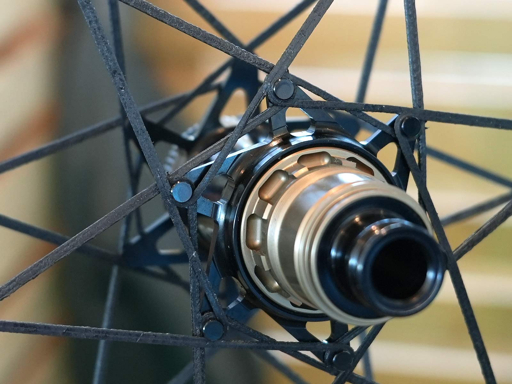
“Replacement spokes available” is a useful beginning, but not the whole answer. Ask for the part identification, the ordering route and who can perform the repair. Apply the same logic to nipples, bearings, freehub bodies and axle end caps.
Proprietary parts are not automatically a disadvantage. They simply make a clear support route more important to your buying decision. A specialized system with dependable parts access may suit you better than a conventional-looking system with poor documentation.
Read the hub specification critically
A bearing label is not a complete measure of hub quality. Manufacturer bearing guidance emphasizes correct installed clearance and assembly. Judge the hub as an assembled system, with maintenance instructions and available parts, rather than relying on an unloaded spin demonstration. [30]
Compatibility sets the minimum standard
Verify brake type, axle interfaces, hub spacing, cassette compatibility, tire approval, inflated-tire clearance and the stated system-weight limit before comparing small differences in price. These are pass-or-fail requirements, not benefits that compensate for one another.
Hookless deserves an explicit check
If the wheel uses a hookless rim, verify approval for the exact tire type and size. Tire-manufacturer guidance requires compatible tubeless or tubeless-ready tires and compliance with the wheel manufacturer’s restrictions. An inner tube does not remove those compatibility requirements. [49][52]
Do not treat 5 bar as a universal target—or even a universal maximum for every tire width. Published hookless guidance includes lower limits for some tire sizes. Follow the lowest applicable maximum and the exact tire-and-rim instructions. [49]
If the intended setup cannot operate within the approved pressure range, change the setup rather than ignoring a limit. The same principle applies to maximum system weight: follow the manufacturer’s definition, rather than assuming it means rider weight alone. [49][29]
A long warranty is only as useful as its terms
Separate three questions: what counts as a manufacturing defect, what happens after crash damage and what you will pay to make a claim. Published wheel-support policies demonstrate that these can be different forms of assistance with different conditions. [47][50]
- Does coverage apply only to the original purchaser?
- Is registration or proof of purchase required?
- Are labor, shipping and rebuilding included?
- Does crash assistance provide a complete wheel or only a rim?
- What maintenance, compatibility or usage conditions apply?
- Where is the claim handled, and how is the wheel returned?
Do not assign a precise cash value to a warranty without knowing whether and how you would use it. Instead, compare the practical protection it offers against the kinds of problems you are concerned about. A clearly explained process is more informative than a headline duration alone.
Turn the analysis into a decision
Build a shortlist in the right order
- Eliminate incompatible options. Confirm the bicycle interfaces, tire system, clearance and load requirements.
- Match the design to your roads. Compare depth, weight and likely handling priorities within a relevant category.
- Normalize the cost. Include the equipment and labor needed to make each option ride-ready.
- Check the ownership route. Read the service information, parts availability and written support terms.
- Pay extra only for a benefit you can identify and expect to use.
When comparing the road carbon wheelsets collection, use this sequence rather than sorting by price alone. Check the current specifications and support terms for each candidate; a category listing is a starting point, not a complete compatibility assessment.
That is the useful meaning of value: not the most specifications for the least money, but the right capabilities, believable support and an ownership experience that justifies what you spend.
What else should you ask before buying?
Is a more expensive carbon wheelset always better value?
No. A higher price only makes sense for you when the additional features, performance evidence or support address your needs. Compare compatible wheelsets within the same intended-use category, then identify what the extra expenditure actually buys.
Should I prioritize low weight or aerodynamic depth?
Start with your riding brief. Road-wheel buying guidance treats climbing-oriented weight goals and aerodynamic depth as different, overlapping priorities. Compare complete designs rather than using either weight or depth as a universal ranking. [27]
Are proprietary spokes a reason not to buy a wheelset?
Not by themselves. Ask whether the correct replacement parts, instructions and service route are available to you. The important ownership question is whether the system can be supported practically where you ride.
Does crash replacement mean crash damage is repaired free?
Not necessarily. Published programs may require a contribution and can distinguish crash assistance from defect coverage. Read what is supplied, what you pay and which eligibility conditions apply. [47][51]
Can a discounted wheelset become more expensive after purchase?
Yes, if it requires additional tires, interfaces, accessories or installation work that another option already includes or avoids. Ask for a complete ride-ready specification and build your comparison from that, rather than the advertised price alone.
What is the most important check before ordering?
Confirm that the exact wheelset and intended tire combination are approved for your bicycle and riding load. Product-specific tire, pressure and system-weight documentation should guide that decision. [52][29]