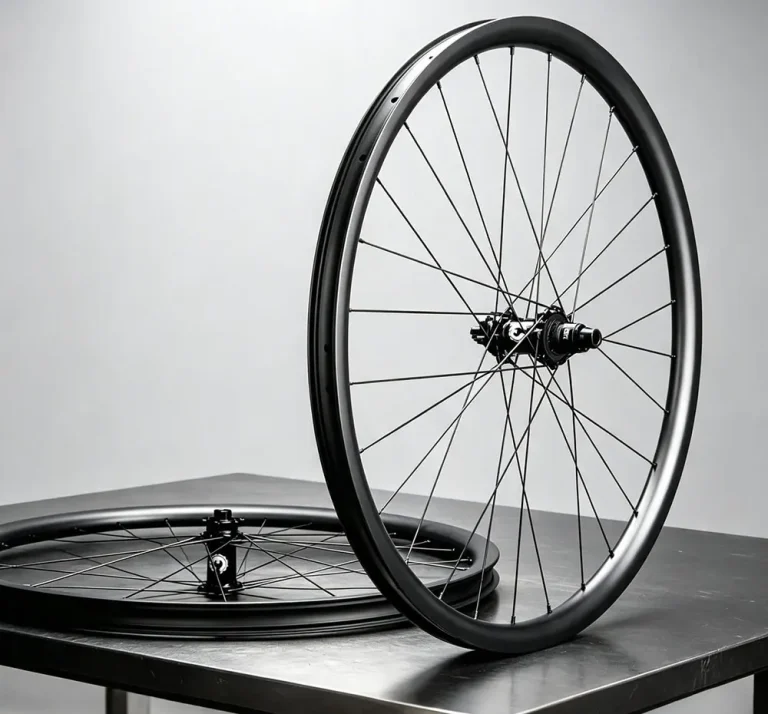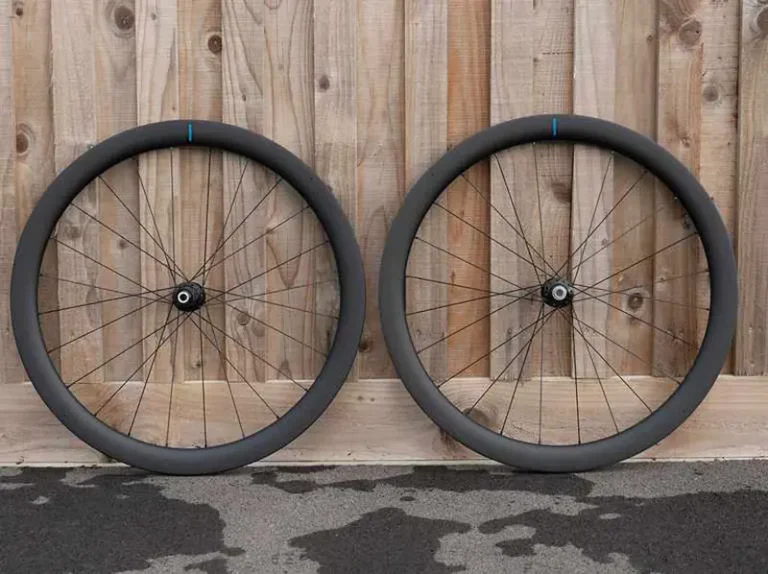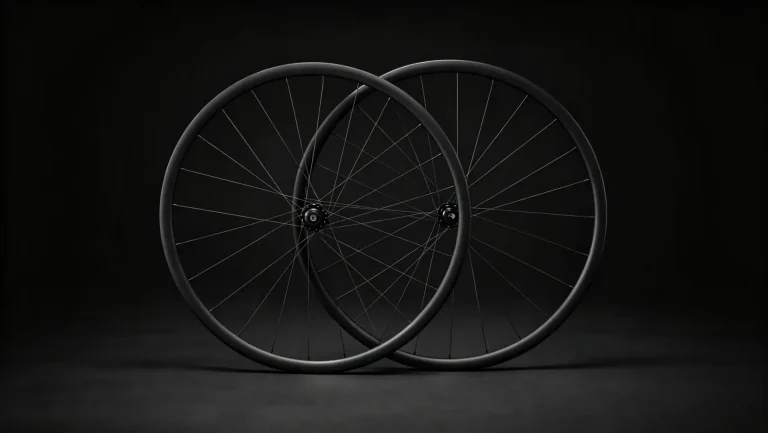

50mm vs 60mm Carbon Wheels – A practical, no-hype guide to choosing rim depth based on your real riding style — not just the spec sheet.
⚡ The one-sentence answer: If you only want one set of carbon wheels for everything, 50mm is the safer, more versatile pick. If you mostly ride fast, flat roads and want maximum cruising speed, 60mm gives you more “free watts.”
If you’re willing to spend a few more minutes, the rest of this article walks through the reasoning step by step — so your decision is backed by logic, not just a gut feeling.
🔍 First Things First: What Does Rim Depth Actually Change?
Most riders shop by looks and price first: “Does it look fast? Is it expensive?” Those questions matter, but they don’t define how your bike actually rides. The real game-changer hiding in the spec sheet is rim depth.
Same frame, same groupset — swap from shallow to mid-deep to deep rims, and the bike’s personality can shift from “climber’s toy” to “high-speed missile” without touching anything else.
⚙️ Rim depth mainly affects four things:
- Aerodynamics — how easily you cut through the air and how many watts you save.
- Weight & climbing feel — how eager or sluggish the bike feels going uphill.
- Crosswind stability — how much the front wheel reacts to side gusts.
- Acceleration & handling — how quickly the bike responds when you sprint or exit a corner.
Both 50mm and 60mm sit in the “mid-deep” category — not shallow climbing wheels, not the 70–80mm monsters built for time trial bikes. But their personalities differ:
- 📀 50mm: all-rounder — a balanced mix of speed, weight, and handling.
- 🌀 60mm: speed-biased — leans into aero gains and high-speed cruising.
So you’re not just choosing a number. You’re choosing a style of riding.
💨 Aerodynamics: How Much Faster Is 60mm, Really?
On paper it’s simple: deeper rims are more aerodynamic. In wind tunnel tests, 60mm almost always beats 50mm at higher speeds. But real-world riding — traffic, wind, terrain, your own fitness — blurs that clean lab result.
Why does a deeper rim go faster?
Think of the rim as a blade moving through air. A deeper profile gives the airflow more surface to travel along smoothly, reducing turbulence and drag. At speed, this can save a few watts — not huge per second, but meaningful over hours of riding.
At typical test speeds around 40 km/h, a 60mm rim can be a handful of watts more efficient than a 50mm. Over a long ride or race, that adds up to seconds — sometimes minutes. [Source here]
✅ 60mm’s aero edge really shows up when:
- Your flat-road cruising speed is often above 35 km/h
- Your terrain is mostly flat, with few technical descents or tight corners
- Your rides run 2+ hours, long enough for small watt savings to accumulate
⚠️ 50mm already gives you most of the benefit if:
- You ride city commutes or rolling terrain with lots of stop-and-go
- Your speed bounces around 25–30 km/h
- You want performance without paying a premium for gains you may never use
You might not feel the aero difference in your quads, but your wallet will definitely feel the price difference. 💰
⛰️ Weight and Climbing: It’s Total System Weight, Not Just 100 Grams
Line up rim specs side by side and the pattern is clear: within the same product family, the 50mm version is almost always lighter than the 60mm. More material simply means more weight.
It’s tempting to conclude “lighter is always better” — but that’s only part of the picture.
What really matters: rotating mass
When you climb or accelerate, you’re moving the entire system — rider plus bike, easily 80–90 kg for most people. Against that total, a 100–150g difference between wheelsets looks small.
But where that weight sits matters. Weight at the rim is more “expensive” than weight near the hub, because it has to be spun up as well as moved forward.
🧗 In practice, this means:
- On rolling climbs with lots of rhythm changes, 50mm feels more willing to follow your pace.
- On long climbs (10km+), that lighter feel adds up — especially if you’re a lighter rider yourself.
If you chase KOMs and scrutinize every gram, the lighter 50mm makes sense as a mid-deep compromise. If your loop is mostly flat with gentle rollers and your mindset is “pull the group, keep the pace high,” then 60mm’s speed potential outweighs a couple hundred grams.
Climbers have a much better reason to worry about grams than you do. If that’s not you, don’t let the scale dictate your whole decision.
🌬️ Crosswinds: Similar Numbers, Different Behavior
When the conversation turns to deeper rims, one worry always comes up: “Will crosswinds blow me off the road?” It’s a fair concern, and it’s exactly where the 50mm vs 60mm Carbon Wheels question gets serious.
Why do deeper rims react more to crosswinds?
Deeper rims expose a larger side area to the wind. A gust hitting from the side creates steering torque on the front wheel — felt at the bars as anything from a small twitch to a heart-rate-spiking shove.
Modern rim shapes — wide internal widths, U-shaped profiles — have significantly improved crosswind behavior versus old V-shaped deep rims. But physics can’t be fully cheated:
All else equal, a 60mm rim will generate more steering force in a strong crosswind than a 50mm. ⚠️
- 🪶 Lighter riders (~60kg or below) feel crosswinds more sharply, especially on descents.
- 🌉 On exposed bridges, coastal roads, or wind-funnel mountain passes, deeper rims can feel slightly “floaty.”
- 🏔️ On technical descents with sharp turns, many riders trade a bit of aero for a calmer front wheel.
Some riders do move from 50mm to 60mm and feel more stable — usually due to rim design, internal width, tire choice, and bike geometry, not the depth number alone. Still, if your regular rides include coastal routes, bridges, or windy descents, a 50mm front wheel will generally keep your nerves — and your line — steadier.
🚀 Acceleration & Sprinting: Does the Bike Come With You?
A common claim: “Deep wheels are slower off the line — too heavy to accelerate.” Not entirely wrong, but not entirely right either.
🔋 50mm — “the responsive accelerator”
Easier to spin up. Ideal for routes with constant pace changes, corners, short climbs, and group rides full of surges.
🎯 60mm — “the speed keeper”
A touch harder to spin up, but once at speed, it holds 40 km/h+ with less effort. This is why time triallists and triathletes love deep wheels.
If your rides involve a group surging, attacking, and regrouping, you’ll likely enjoy 50mm’s punchy feel. If you spend hours solo or in a smooth paceline aiming to hold a steady high speed, 60mm makes every watt count.


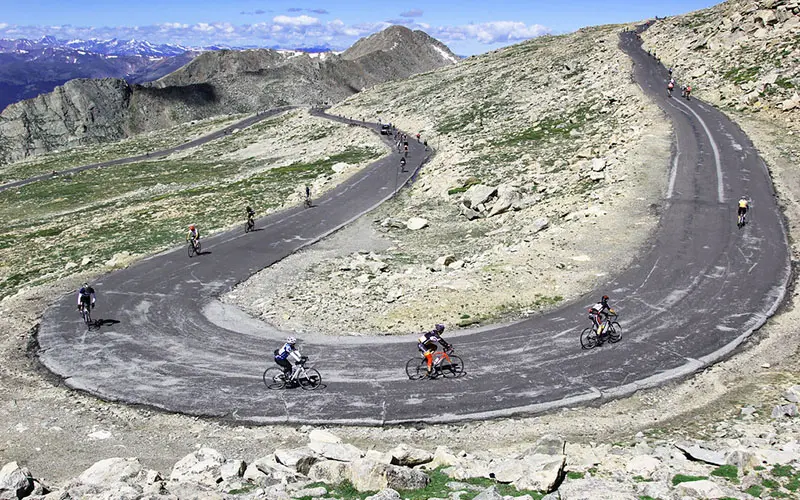

🧭 Different Riding Scenarios, Different “Right Answers”
A lot of wheelset regret comes from mismatching wheels to real riding scenarios. Here’s where each depth actually shines.
1️⃣ Everyday road + weekend distance (non-racer)
Mixed terrain, 60–120km weekend rides, occasional group rides. → 50mm is your “use-anytime main wheelset” — enough aero for fast sections, comfortable everywhere else.
2️⃣ Fast flat group rides / interval training
Long flats, structured intervals, 35–40+ km/h group rides. → 60mm’s aero edge directly boosts average speed with barely-noticeable extra weight.
3️⃣ Climbing addict / mountain lover
1500–3000m+ vertical gain per ride. → 50mm is the balanced mid-deep pick; if you’re even more climb-focused, consider 35–45mm instead.
4️⃣ Triathlete / time trialist
Flat courses, straight sections, split times matter most. → 60mm is close to a baseline depth — many go even deeper on the rear. On windy or technical courses, a 50mm front / deeper rear mix is a popular compromise.
💵 Budget and Brand: Don’t Let 10mm Overshadow Quality
The difference between a good and an average wheelset of the same depth is usually bigger than the difference between 50mm and 60mm.
Before obsessing over depth, ask:
- 🏗️ How good is the rim construction (layup, resin, impact resistance)?
- ⚙️ How reliable is the hub system (bearings, engagement, ease of service)?
- 🛡️ How strong is the warranty and crash-replacement support?
It’s often smarter to buy a well-made 50mm set from a reputable brand than a mediocre 60mm from a budget one. Once you’ve locked in a trustworthy product line, choosing between 50 and 60mm becomes the fine-tuning step — not the whole decision.
📊 50mm vs 60mm Carbon Wheels: Side-by-Side Comparison
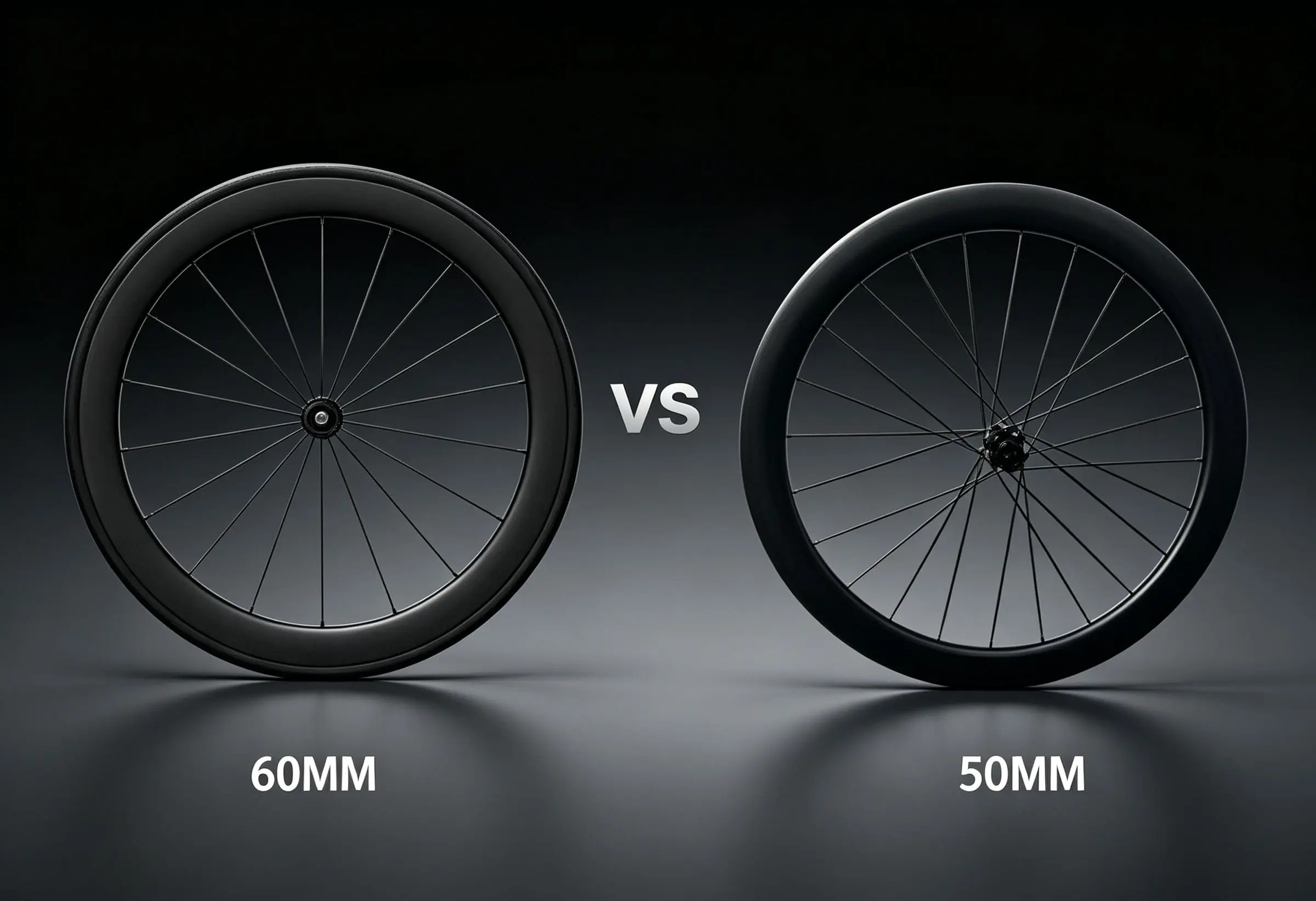
| Aspect | 50mm Carbon Wheels | 60mm Carbon Wheels |
|---|---|---|
| Aerodynamics | Strong — plenty for most fast road riding | Even better, especially at higher speeds on flats |
| Weight & Climbing | Usually lighter, livelier on climbs | Slightly heavier, fine on flat routes |
| Crosswind Stability | More forgiving, especially for lighter riders | Requires more attention in strong gusts |
| Acceleration & Handling | Snappier for sprints and twisty roads | Excellent at holding high speed |
| Typical Use Case | One wheelset for almost everything | Flat races, fast group rides, triathlon/TT |
| Rider Profile | Lighter riders, mixed routes, wants versatility | Strong engines, race focus, flat-heavy routes |
❓ Three Questions That Make the Decision Easy
- What does my typical weekly route look like — more flats or more climbs?
Mostly flat → lean 60mm. Equal or more climbing → lean 50mm or shallower. - Can I comfortably hold 35 km/h+ on flats for a good stretch?
Yes → 60mm’s aero edge genuinely matters. No → 50mm already gives you most of the realistic benefit. - How comfortable am I with crosswinds and fast descents?
Nervous or windy routes → 50mm for peace of mind. Experienced and predictable routes → 60mm can safely unlock more speed.
⭐ Key Takeaways
- 50mm = versatile all-rounder, lighter, more forgiving in crosswinds, snappier in changing pace.
- 60mm = aero-focused, faster at sustained high speeds, needs more attention in gusty conditions.
- Rotating mass at the rim matters more than total wheel weight for climbing feel.
- Build quality and hub reliability often matter more than the 10mm depth difference.
- Match the wheel to your actual weekly riding, not your aspirational riding.
50mm and 60mm aren’t “right vs wrong.” They’re two different tools that nudge your cycling life in slightly different directions.
- If you care most about enjoying every ride, not overthinking the weather, and staying comfortable on both hills and flats — let 50mm be your main companion.
- If you care most about average speed, power curves, and race results, and you’re willing to invest in aero gains — bolt on 60mm and treat it as your weapon against the wind and the clock.
The smartest choice isn’t chasing perfect numbers on a spec sheet — it’s picking the wheelset that fits who you are now, and who you want to become as a rider.
If specific routes and riding buddies already popped into your mind while reading this, you probably already know which depth is right for you. 🚴♂️💨