

Are Carbon Wheels
Really Worth It?
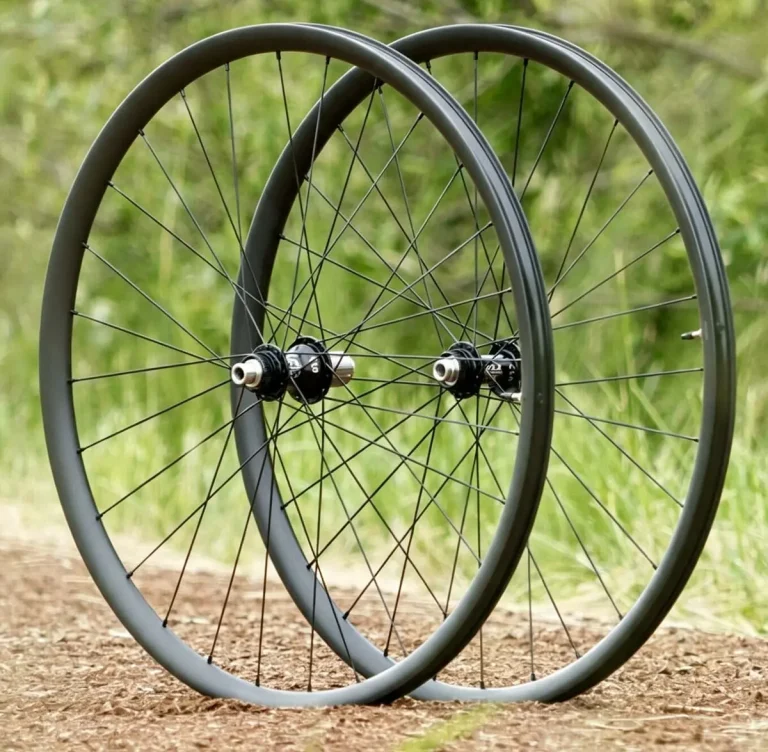
For many cyclists, carbon wheels aren’t a necessity. But they’re one of the very few upgrades that can genuinely change the way your bike feels on the road — not because they look better, not because they’re more expensive, but because they actually ride differently. That said, there’s a condition: you need to ride in a way that lets those benefits matter.
Most People Think It’s About Weight. It’s Not.
For many riders, the first reason to consider carbon wheels is simple: “they’re lighter.” But if weight is the only thing you’re looking at, you’re probably focused on the wrong benefit.
Compared with a conventional alloy wheelset, the biggest difference isn’t the number on the scale — it’s how the bike responds when you actually ride it.
Carbon wheels don’t make you stronger.
They simply waste less of the effort you’re already producing.
Saving a few hundred grams feels good. But cutting aerodynamic drag usually delivers a far bigger real-world benefit. That’s exactly why professional road racers run deep-section carbon wheels, and why time trial and triathlon bikes are almost always fitted with deep aero wheelsets — not to chase expensive gear, but because it genuinely helps them ride faster.
Will Recreational Riders Actually Notice?
Yes — but only under the right circumstances.
Why So Many Riders Never Go Back
Once you’re used to the way a good carbon wheelset feels, going back can feel surprisingly difficult — not because the old wheels suddenly become slow, but because you’ve grown accustomed to a different riding experience.[For a deeper explanation of cycling aerodynamics, see the research and guidance from the UCI. UCI – Seven Steps in the Pursuit of Speed ]
The Bigger Question Isn’t the Price
The Real Value Isn’t Just Speed
Good equipment often changes behaviour. Many riders discover that after upgrading to carbon wheels, they ride more often, push themselves harder, and pay closer attention to their training. Those changes matter far more than a small gain in speed — over time, the biggest improvement doesn’t come from the wheels themselves. It comes from riding your bike more.
So… Are They Worth It?
Chasing a more expensive-looking bike? You’ve already answered your own question.
One Final Recommendation
If you’re working with a limited budget, this is generally the order worth considering:
Carbon wheels aren’t the cheapest upgrade. They probably aren’t the best value one either. But they may well be one of the most noticeable.
They won’t make you stronger overnight. What they often do is make you want to ride more, ride harder, and enjoy every ride just a little more — and that’s already a pretty compelling reason to own them.
Yes, they can be. If you ride regularly, enjoy longer distances, or want a more responsive bike, carbon wheels can noticeably improve the riding experience. For casual riders or commuters, the benefits are usually less significant.
They can, especially at higher speeds where aerodynamic drag becomes more important. Carbon wheels won’t replace training, but they can help you maintain speed more efficiently and make acceleration feel more responsive.
Neither is universally better. Carbon wheels generally offer better aerodynamics, lower weight, and higher stiffness, while aluminum wheels are often more affordable, durable, and easier to repair. The best choice depends on your riding style and budget.
Most riders begin to notice the aerodynamic advantages at around 30 km/h (19 mph) and above. The faster and more consistently you ride, the greater the potential benefit.
Yes, particularly if they’re lightweight. Reduced rotational weight can make climbing and acceleration feel more responsive, although rider fitness has a much greater impact than wheel weight alone.
They can. Many riders notice quicker acceleration, smoother speed retention, and a more responsive ride, even on everyday routes. However, the performance gains are usually smaller at lower speeds.
A high-quality carbon wheelset can last many years with proper care and maintenance. Lifespan depends on riding conditions, impact damage, braking system, and regular inspection rather than the material itself.
Generally, yes. Deeper rims catch more side wind, although modern rim profiles have greatly improved stability. Rider weight, wind conditions, and bike handling skills all influence how noticeable the effect is.
If you’re using entry-level tires, upgrading to premium tires often provides the best value. Once your tires are sorted, a quality carbon wheelset is one of the most noticeable performance upgrades you can make.
Carbon wheels are best suited to riders who cycle regularly, enjoy improving performance, participate in group rides or events, or simply want a more engaging riding experience. They’re less essential for occasional riders or those who mainly use their bike for commuting.
- Top 10 Best Spoke Brands for Bicycle Wheels in 2026
- Straight-Pull vs J-Bend Spokes: Complete Bicycle Wheel Guide
- Ratchet vs Pawl Hub Systems: Which Is Better for a Carbon Wheelset?
- Are 29 inch carbon mountain bike wheels worth it?
- 700c Carbon Disc Wheelset: What Really Matters Before You Buy
- Are Carbon Gravel Wheels Worth It? Performance, Ride Feel & Buying Guide
- Wheel Guide · Materials & Ride Feel
- Wide vs. Narrow Rims: The Quiet Revolution in Cycling Performance
- Can Beginners Ride Carbon Wheels?
- Bicycle Hub Bearing Maintenance Guide: Service, Adjustment & Replacement