
Carbon Spokes vs Steel Spokes
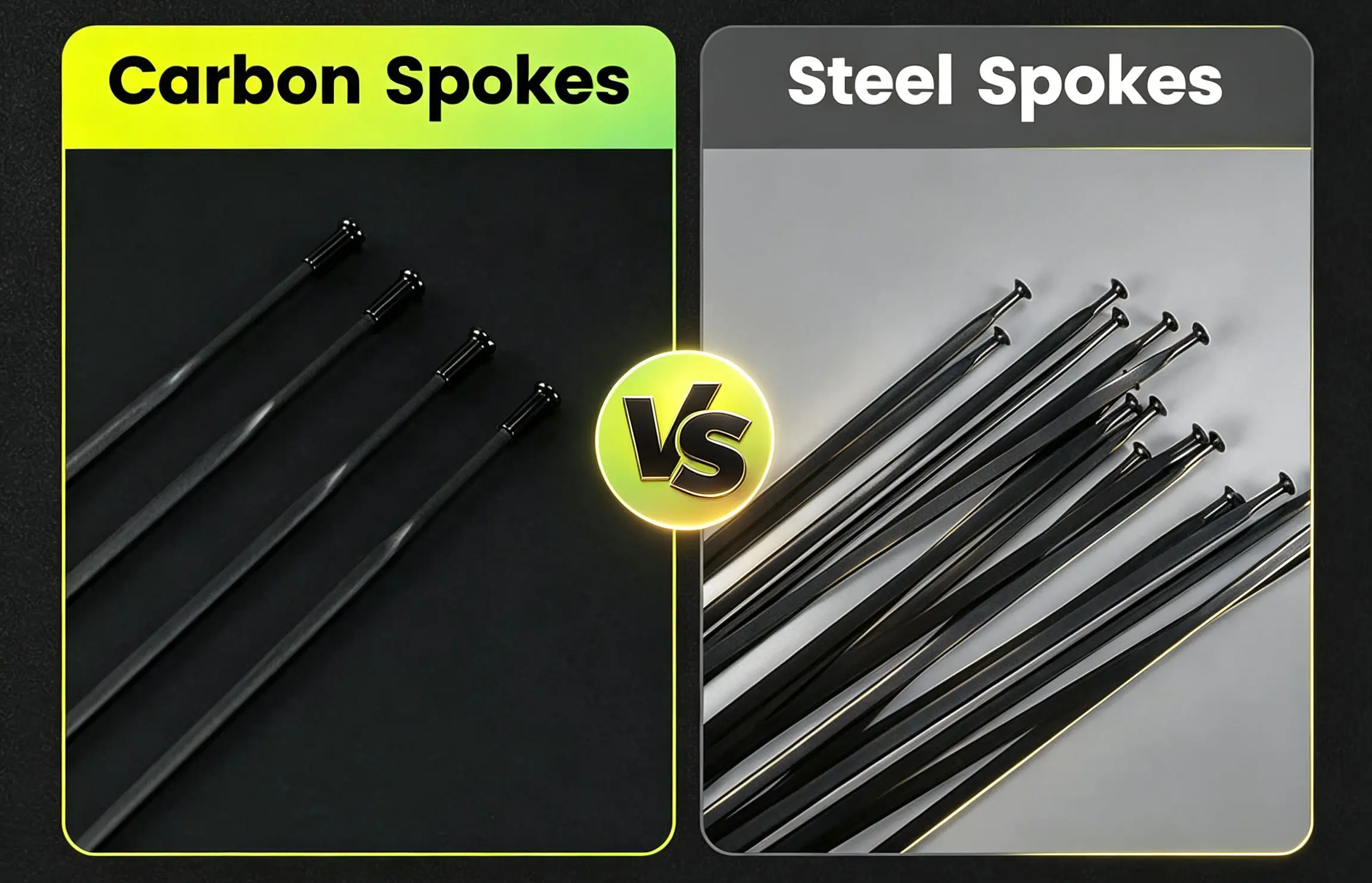
Carbon spokes aren’t magic — they simply re-weigh these five variables. Whether you end up loving or disliking them usually has less to do with the material itself, and more to do with how much it changes the way you actually ride and maintain your bike.
Weight — Not the Number, the Rotation
Everyone knows carbon fiber is light. But a spoke’s weight doesn’t just sit on a spec sheet — it lives inside a wheel’s rotating mass, the part most directly tied to how acceleration, climbing, and pace changes feel underneath you.
A wheel’s weight splits roughly into three zones: rim, spokes, hub. The rim-and-spoke ring is the part that has to be spun up over and over — every launch, every attack, every climb. A gram saved there isn’t static; it’s energy you’d otherwise pay for again and again.
- Off the line — the 0–30 km/h burst feels noticeably more eager
- On rolling terrain with constant tempo shifts, the bike feels less like it’s fighting its own rotating weight
Stiffness — Two Different Personalities
Steel spokes behave the way riders have known for decades: predictable elasticity within a working tension range, a fairly linear response, and a gradual bend or failure when overloaded. Builders know exactly how to tune around it.
Carbon spokes play by different rules — within their designed tension range they deliver very high lateral and torsional stiffness, making a wheel feel more locked together. Where steel gradually softens under load, carbon tends to hold firm and then reach its limit abruptly, a classic composite trait.
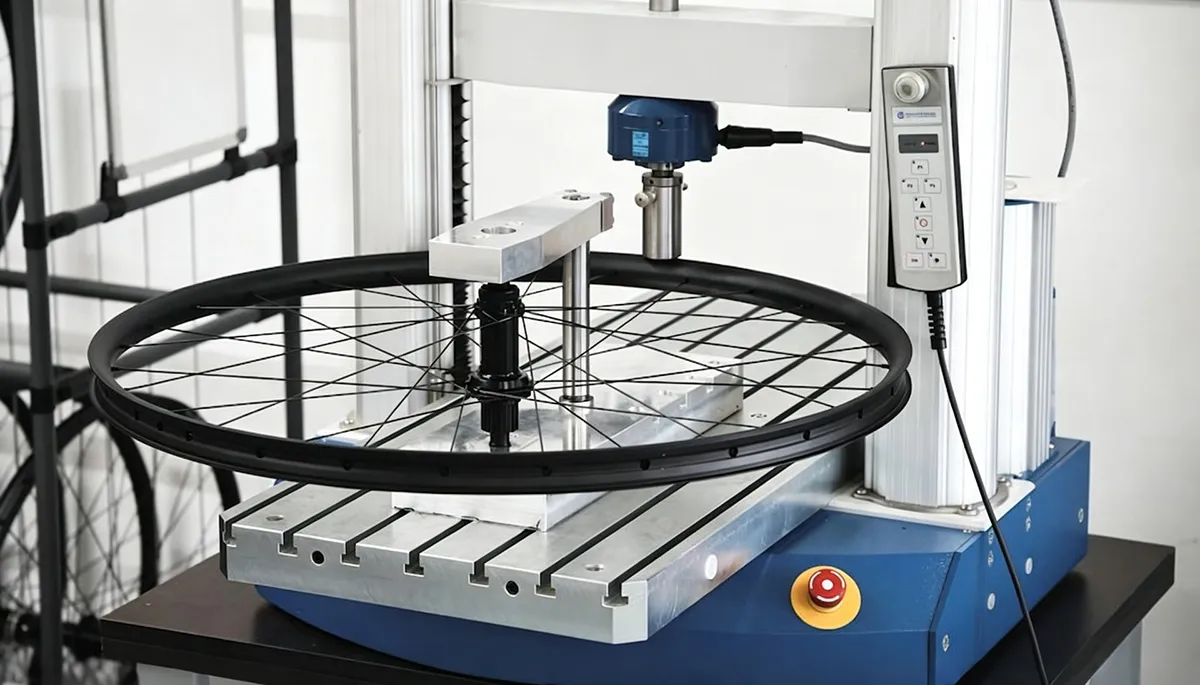
Riders who’ve spent real time on carbon spoke wheels often describe sprints and cornering exits as the whole wheel firing together — front and rear feeling unified, with none of the mushy energy loss you get from a softer build.
Steel’s advantage is a gentler kind of give — it filters small road chatter more naturally, and in rougher use its wider tolerance for error means it’s easier to live with and easier to fix.
Durability — Design and Use, Not the Material
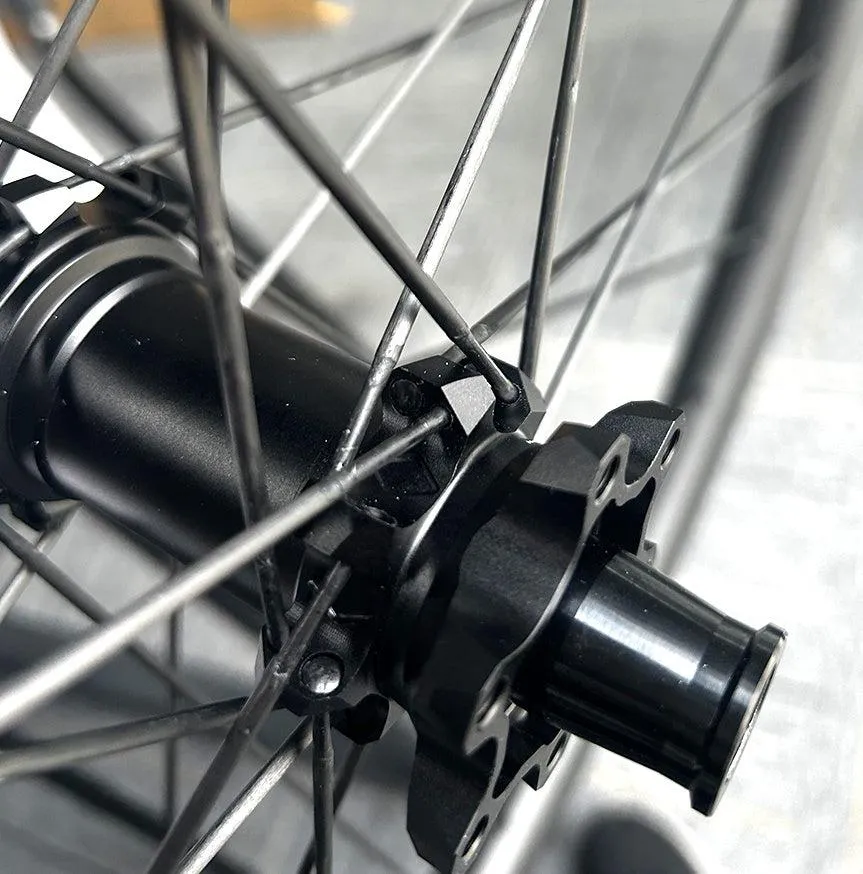
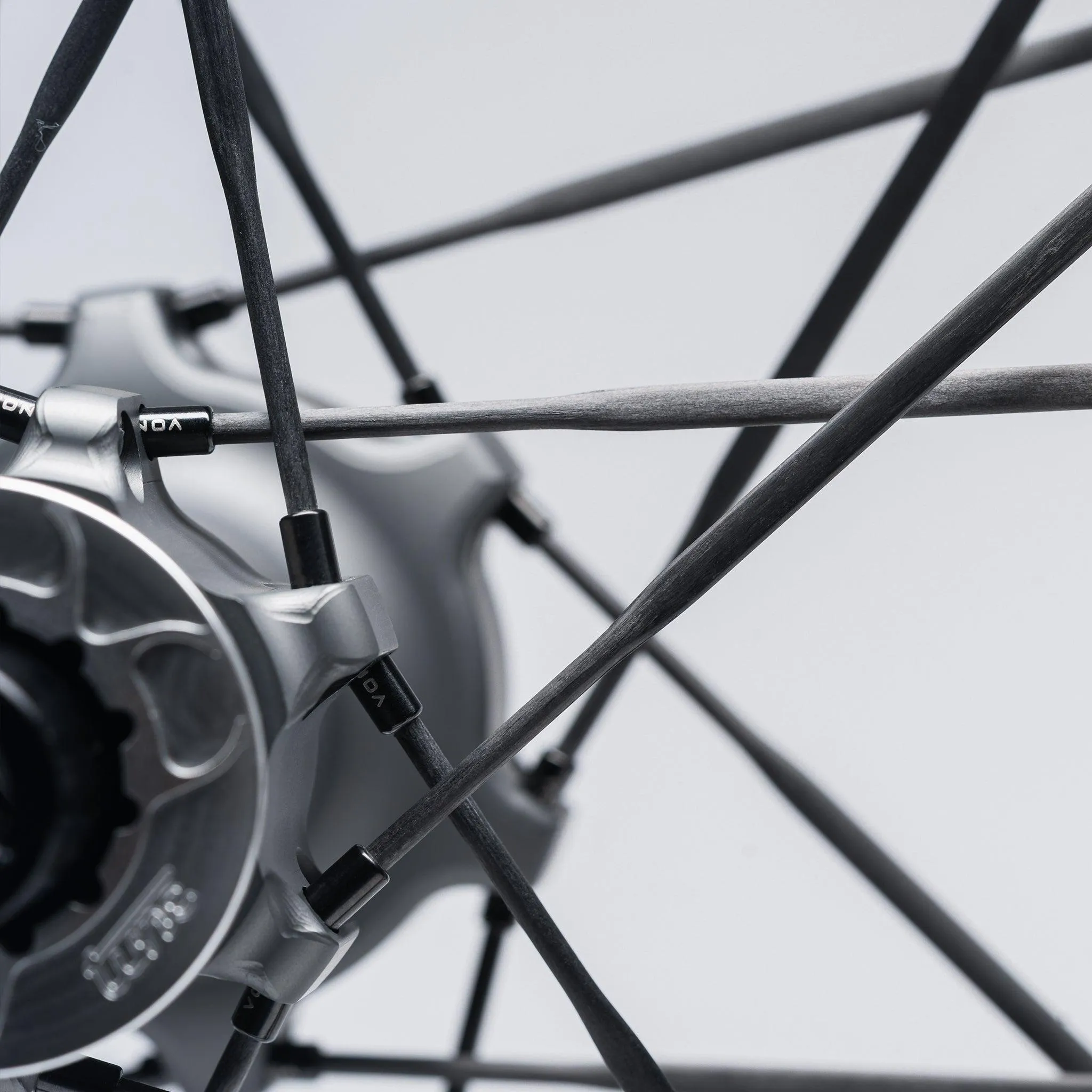
Carbon fiber tends to worry people: “won’t it just shatter in a crash?” It’s worth separating two questions. Properly engineered carbon fiber matches — and in some load directions exceeds — steel’s strength and fatigue resistance. Raw material reliability isn’t really the issue. The real difference is a maintenance threshold: carbon asks you to treat the wheel as equipment, not a consumable.
If your riding life involves rough handling — daily commuting, curbs without a second thought, bikes strapped carelessly to a roof rack — steel’s forgiveness will make life easier. If you treat your bike as sports equipment and maintain it reasonably, carbon’s durability won’t become a real pain point.
Upkeep — A Specialist Dialect vs. a Universal Language
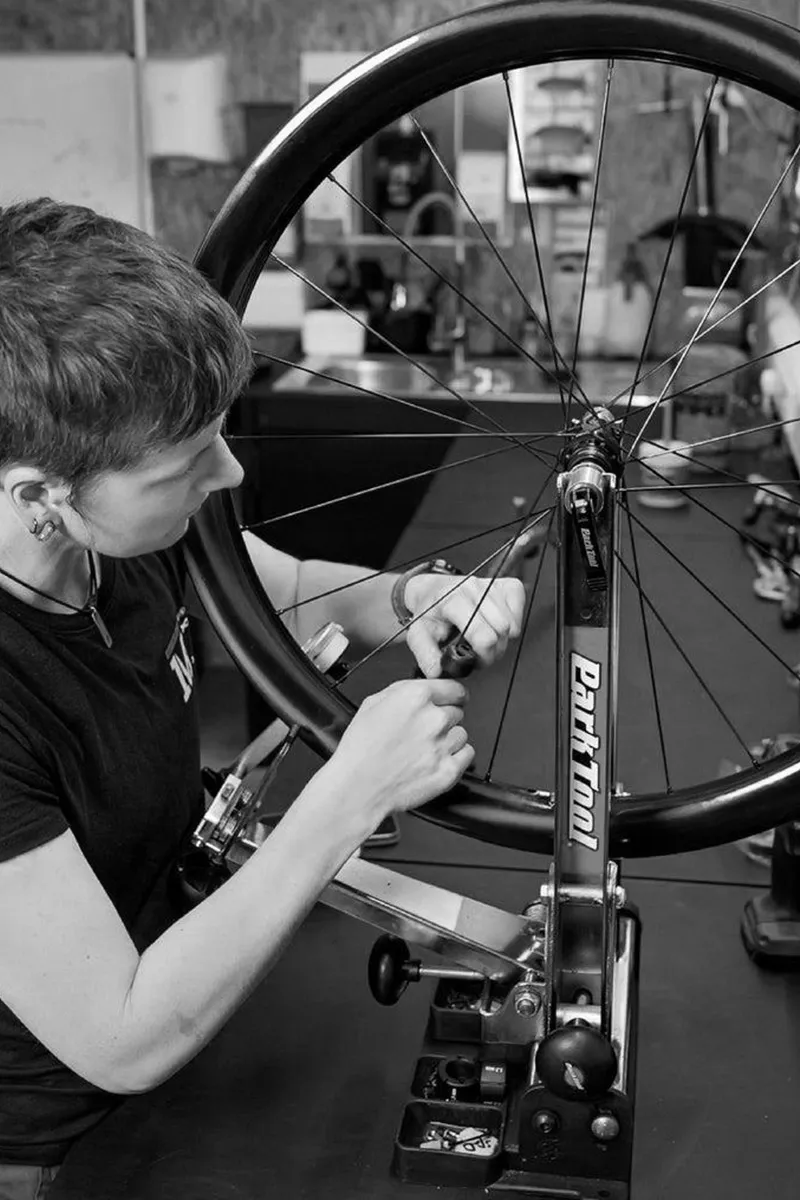

Steel-spoke wheels are a universal language in the shop world: any experienced mechanic can read them, true them, and source parts almost anywhere. Carbon-spoke wheels are more of a specialist dialect — different brands use different structures, tools, and tension specs, and some manufacturers recommend factory or certified-technician service only.
Carbon isn’t a universal upgrade for everyone — it suits riders who’ve moved past the beginner stage and already know how to look after their gear.
Ride Feel by Discipline
Weekend centuries, flat cruising at 32–35 km/h, intervals, the occasional race: paired with a light rim and a strong hub, the whole wheel feels more immediately responsive to effort, gives confidence to stand and accelerate at speed, and keeps the bike feeling cohesive over long rides. [tour-magazin]
Carbon spokes are used more cautiously here — not because the material fails, but because the environment demands more from the design. Done right, they offer stronger lateral support under hard cornering and sharp acceleration.
Reality check: if you land hard and often without much thought for maintenance, steel’s tolerance will spare you a lot of headaches.
Here the wheel is a time weapon, not transportation. Carbon spokes help reach very low rotating mass and very high stiffness, so almost none of your sustained power output gets absorbed by the structure — paired with a deep rim and an aero hub, they push aerodynamic performance further still.
What the Price Actually Pays For
Carbon-spoke wheelsets typically cost more than steel-spoke ones. The premium usually covers material and manufacturing (composite forming, layup, curing), more complex structural design and validation, and a brand’s broader R&D and after-sales investment.
If you ride occasionally and don’t chase speed, that premium is exactly that — a premium. If you’re already training with a power meter and paying attention to how well your equipment matches your ability, a carbon-spoke wheelset is better understood as an investment in fully expressing your own performance.
Frequently Asked Questions about carbon spokes vs steel spokes
Not inherently. Properly engineered carbon matches or exceeds steel’s fatigue resistance. The difference is in how each fails — steel bends gradually, carbon holds firm and then reaches a hard limit.
Some brands allow it; many recommend factory or certified-technician service only, since tension specs and tools vary by design.
The perceptible benefit comes mostly from the whole wheel system — light rim, high-performance hub, and carbon spokes together — rather than the spokes alone.
If you’re still building maintenance habits and ride in varied conditions, a well-built steel-spoke wheelset is often the more practical first step.
This debate really comes down to two riding philosophies: one says equipment should keep pace with progress, worth the investment and the learning curve; the other says equipment should be simple, durable, and easy to fix, valuing long-term, low-maintenance reliability.
Carbon-spoke wheels have earned their place as the high-performance option, and keep gaining ground on the road and in triathlon. But they were never meant to be a universal upgrade — they belong to the rider who’s ready to use them.
- Curated List of Bicycle Parts Brands
- I’ve swapped 7 handlebars so you don’t have to – a real-world guide (2025)
- The Whole Production Process of Carbon Fiber Wheelset
- Loud Hubs vs. Quiet Hubs: Which Is Better?
- Why These Countries Import So Many Bicycle Wheelsets and Rims
- China Bicycle Rim Exports Analysis & Forecast 2025–2030
- Top 10 Bicycle Hub Brands
- Don’t Just Focus on Carbon Rims and Weight, Hubs are the Core
- Winter Cycling Safety: The Ultimate Guide to Riding in Snow and Ice
- Carbon vs Aluminum Wheels: Which Is Better for Road Cycling?
- Hooked vs Hookless Rims: Which Is Better for Road Cycling?
- Why Are Modern Bicycle Rims Getting Wider? Understanding the Real Logic Behind Rim Width
- Are Carbon Wheels Worth It? A Clear Guide to Real Benefits, Rider Types, and Buying Tips
- What Are Carbon Wheels? A Simple Guide to Carbon Bike Wheels
- 50mm vs 60mm Carbon Wheels: Which One Actually Fits the Way You Ride?