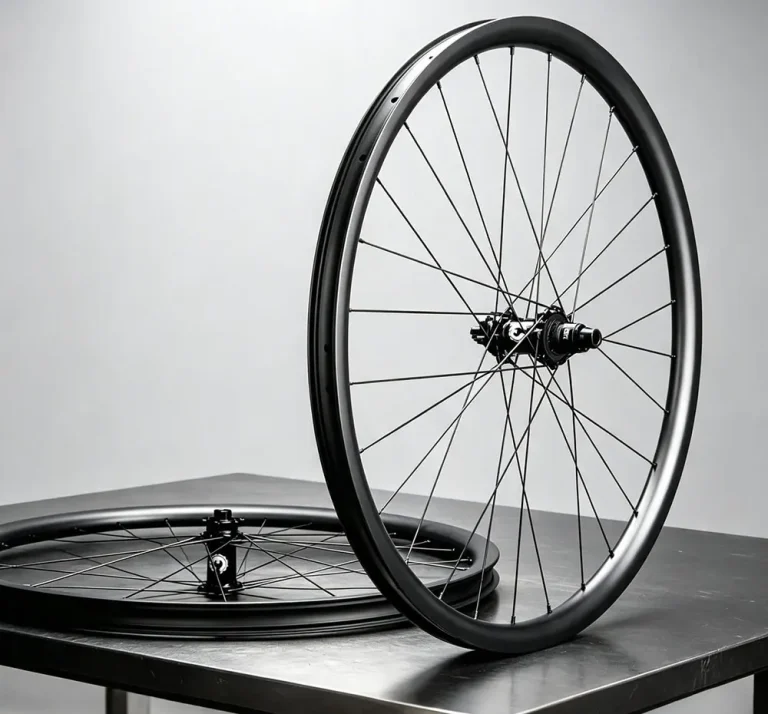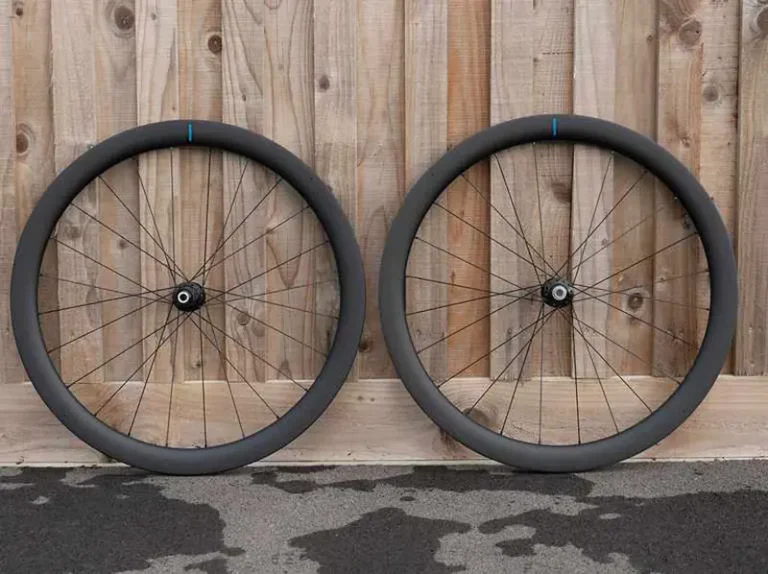

Are carbon wheels worth it? This is one of the most common questions road cyclists ask when thinking about upgrading their bike.
On one hand, carbon wheels usually cost more than standard aluminum wheels. On the other hand, many riders notice a clear improvement in speed feel, cruising efficiency, appearance, and overall ride quality after switching to a carbon wheelset.
So the real question is not simply whether carbon wheels are always worth it. A better question is:
- 🤔 Who should buy carbon wheels?
- ⚡ What real benefits do carbon wheels offer?
- 🛒 How should you choose your first carbon wheelset without regret?
The simple answer is this:
For riders who already ride regularly and care about speed, cruising efficiency, bike feel, and appearance, carbon wheels are usually a very worthwhile upgrade.
However, if someone is completely new to cycling, only rides occasionally, or has a very limited budget, carbon wheels may not need to be the first upgrade. A smarter approach is to understand your riding style first, then choose a carbon wheelset with the right rim depth, rim width, brake type, and tire compatibility.
🚴 What Are Carbon Wheels?
Carbon wheels, also called carbon fiber wheels or a carbon wheelset, are bicycle wheels that use carbon fiber composite material for the rim.
A complete carbon wheelset usually includes:
carbon fiber rims• hubs• spokes• nipples• bearings• freehub body• brake or rotor mounting interface• clincher or tubeless-ready tire compatibility
💡 Many people assume carbon wheels are expensive simply because carbon fiber is an expensive material. In reality, the value of carbon wheels is not only in the material itself. Carbon fiber allows wheel manufacturers to create deeper, wider, and more aerodynamic rim shapes that are difficult to achieve with traditional aluminum rims.
Compared with standard aluminum rims, carbon fiber rims are better suited for deep-section profiles, wider rim shapes, and streamlined aerodynamic designs. This is why modern road bikes, triathlon bikes, and high-performance wheelsets increasingly use carbon fiber rims.
In simple terms, the core value of carbon wheels comes from three things:
- better aerodynamics
- better riding response
- a more noticeable overall bike upgrade
✅ Are Carbon Wheels Worth It?
For most road cyclists who already ride consistently, the answer is usually:
Yes, carbon wheels are worth it.
The reason is straightforward.
Carbon wheels do more than make a bike look more premium. A well-designed carbon wheelset can noticeably improve cruising efficiency, speed retention, power response, and overall ride quality.
This is especially clear when upgrading from a basic stock wheelset to a properly designed 45mm or 50mm carbon wheelset. Many riders notice that:
- speed is easier to maintain
- flat-road cruising feels smoother
- power transfer feels more direct
- the bike feels more stable at higher speeds
- the overall bike appearance looks more complete
- the bike simply feels more enjoyable to ride
⚠️ Of course, carbon wheels do not replace training. They will not instantly turn a beginner into a strong rider. Instead, they work more like an efficiency upgrade, helping your existing power transfer into speed and ride quality more effectively.
A more accurate way to put it is:
Carbon wheels do not make you faster for free. They help the power you already produce work more efficiently.
📊 The Biggest Benefit Is Not Just Weight
Many riders first think of carbon wheels as a lightweight upgrade. That is partly true.
Weight is one benefit of carbon wheels, especially for climbing-focused wheelsets. But for most road cycling situations, the more important value of carbon wheels is:
aerodynamics and cruising efficiency.
In road cycling, the faster you ride, the more air resistance matters. Once speed reaches around 30 km/h or higher, aerodynamic drag becomes a major factor in speed and energy consumption.
This is where deep-section carbon wheels make sense.
Compared with traditional low-profile aluminum wheels, deep-section carbon wheels can use a more streamlined rim profile to help airflow move more smoothly around the tire and rim. This can reduce unnecessary drag and make the bike feel more efficient at speed.
That is why many riders do not describe the biggest change as “the bike feels much lighter from the first pedal stroke.” Instead, the more common feeling is:
“Once the speed is up, it is easier to hold.”
That cruising sensation is one of the most noticeable benefits of carbon wheels.
⚡ Why Do Carbon Wheels Make a Bike Faster?
Carbon wheels improve speed through several combined factors, not just one single feature.
1. Better Aerodynamic Performance
Deep-section carbon wheels can improve airflow around the wheel, especially during flat-road riding, high-speed cruising, group rides, and long-distance road cycling.
Common road bike carbon wheel depths include:
35mm40mm45mm50mm55mm60mmdeeper
📌 For most road cyclists, 45mm and 50mm are the most common and balanced choices. These rim depths provide noticeable aerodynamic benefits without feeling as demanding in crosswinds as very deep wheels.
2. Better Speed Retention
The common advantage of carbon wheels is not that they suddenly increase speed dramatically. It is that they help riders maintain speed more easily.
For example, on the same flat road, a basic low-profile wheelset may require more frequent effort to keep speed up. A suitable mid-depth carbon wheelset, once up to speed, often feels smoother, steadier, and more willing to keep rolling forward.
3. More Direct Power Response
Wheels are one of the most important parts of a bike’s dynamic ride feel. Every start, acceleration, out-of-saddle effort, corner, and climb is affected by the wheelset.
A good carbon wheelset usually offers better lateral support and overall stiffness. When power is applied, the bike can feel tighter, more direct, and less sluggish.
4. A More Complete Bike Feel
Carbon wheels also make a major difference to how a bike looks and feels as a complete build.
A road bike with low-profile stock wheels may look fairly ordinary. But with a 45mm or 50mm deep-section carbon wheelset, the whole bike immediately looks more performance-oriented and visually complete.
For a product like a bicycle, which combines sport, equipment, and personal taste, appearance is not a minor factor.
A better-looking bike makes riding more appealing.
A bike that feels more appealing often gets ridden more often.
A bike that gets used more often creates more value from the upgrade.
📈 Do Carbon Wheels Make You Faster?
Yes, but it should be understood realistically.
Whether carbon wheels make you faster depends on several factors:
riding speedrim depthrim widthtire modeltire pressureroad surfacewind directionriding positionfitness levelgroup vs solo
If the riding speed is relatively low, such as 20–25 km/h for most rides, the aerodynamic benefit of carbon wheels may not feel dramatic. But if the rider often cruises at 28–35 km/h or higher, the advantage becomes much easier to notice.
Carbon wheels are especially valuable in these situations:
- flat-road cruising
- group rides
- long-distance endurance rides
- triathlon & time trials
- high-speed descents & road racing
- daily training
So yes, carbon wheels can help improve riding efficiency. But they are not magic equipment. A more practical explanation is:
Carbon wheels can help riders maintain speed more efficiently at the same physical output.
🛠️ Carbon Wheels vs Aluminum Wheels: What Is the Difference?
Carbon wheels and aluminum wheels are not simply “premium” versus “basic.” They serve different riding stages and different needs.
| Feature | Carbon Wheels | Aluminum Wheels |
|---|---|---|
| Price | Usually higher | Usually lower |
| Aerodynamics | Stronger advantage | More limited |
| Appearance | Performance-oriented & premium | More understated & practical |
| Weight | Can be lightweight or aero-focused | Usually moderate |
| Ride Feel | More direct & responsive | More basic & practical |
| Best for | Intermediate riders, performance, racing | Beginners, commuting, budget |
| Long-term upgrade value | High | Moderate |
If the goal is basic daily transport, aluminum wheels can be enough. If the goal is better speed, ride quality, and a more complete bike feel, carbon wheels become more attractive.
📏 What Rim Depth Should You Choose for Your First Carbon Wheels?
Rim depth is one of the most important factors when choosing carbon wheels. It affects aerodynamics, weight, stability, handling, and appearance.
Here is a practical way to understand common rim depths.
Around 35mm
A 35mm carbon wheelset is more lightweight-oriented. It suits climbing, rolling terrain, and riders who do not need strong aerodynamic gains. It also looks more subtle and is usually less affected by crosswinds.
40–45mm
This is a very versatile range for most road cyclists. It is light enough for climbing, aerodynamic enough for flat roads, and generally stable enough for daily use. For many riders, this is one of the safest choices.
50mm
A 50mm carbon wheelset provides a more noticeable aerodynamic feel and a stronger visual upgrade. It is well suited for flat-road cruising, group rides, and long-distance road cycling. It is also one of the most popular all-round rim depths.
55–60mm
This range is more focused on high-speed riding, flat roads, triathlon, and racing. The cruising feel is stronger, but crosswind awareness and bike handling become slightly more important.
Over 60mm
Very deep wheels are better suited for time trials, triathlon, or specific high-speed riding situations. For normal everyday road riding, most riders do not need to start with such a deep rim profile.
⭐ For a first carbon wheelset, the most recommended range is usually: 45–50mm.
This is a highly balanced range. It is fast enough, good-looking enough, and practical enough for most road cyclists.
⚖️ 45mm vs 50mm Carbon Wheels: Which Should You Choose?
If you are choosing between 45mm and 50mm carbon wheels, the decision can be made like this:
Choose 45mm
if you want a more versatile and slightly safer all-round option.
- ride both climbs and flat roads
- have a lighter body weight
- often ride in windy areas
- prefer an everyday all-round wheelset
Choose 50mm
if you want stronger cruising performance and a more noticeable aero look.
- ride more flat roads
- like high-speed cruising
- prefer the deep-section look
- often join group rides
📌 For a general answer: Most road cyclists will be well served by 45–50mm carbon wheels.
🔄 Disc Brake Carbon Wheels vs Rim Brake Carbon Wheels
Modern road bikes increasingly use disc brakes. For carbon wheels, disc brake setups are generally the easier and more future-ready choice.
Disc brake carbon wheels offer several advantages:
- braking heat does not act directly on the rim brake track
- braking is more consistent in wet conditions
- rim design has more freedom
- they pair better with wider tires and tubeless setups
- daily use feels more straightforward
If your bike is a disc brake road bike, upgrading to carbon wheels is relatively simple.
If your bike uses rim brakes, carbon wheels are still possible. The key is to choose a high-quality carbon wheelset with a mature brake track design, compatible brake pads, and clear usage guidance. On long descents or wet roads, braking technique also matters more.
A practical recommendation is: Disc brake riders can prioritize disc brake carbon wheels. Rim brake riders should focus more on brake track quality, compatible brake pads, and correct use.
🛞 Are Carbon Wheels Good for Tubeless Tires?
Many high-quality carbon wheels are now tubeless ready.
Even if you do not plan to use tubeless tires immediately, choosing tubeless ready carbon wheels is usually a smart decision.
The reason is simple: Tubeless compatibility gives you more flexibility for future tire setups.
Common benefits of tubeless tires include:
- the ability to use lower tire pressure
- better comfort & improved grip
- small punctures may seal automatically with sealant
- better suitability for long-distance riding
- better alignment with modern road bike trends
⚠️ Of course, tubeless installation and maintenance can be slightly more complicated than using inner tubes. Beginners can still use inner tubes without any problem. But from a long-term point of view, tubeless ready carbon wheels offer more flexibility.
🔍 What Should You Look for When Buying Carbon Wheels?
When buying carbon wheels, it is not enough to look only at price and rim depth. The real ride experience depends on several combined specifications.
1. Rim Depth
Affects aerodynamics, appearance, weight, and crosswind behavior. Most road cyclists can start by looking at 45–50mm.
2. Internal Rim Width
Modern road bikes are increasingly paired with 28c, 30c, or even 32c tires. For 28c tires, a 21–23mm internal rim width is usually a practical choice.
3. External Rim Width
Affects the aerodynamic match between the tire and rim. Modern aero carbon wheels usually consider the complete tire-and-rim shape.
4. Hub
Check freehub body type, bearing system, thru-axle specification, rotor mounting, maintenance, and parts availability.
5. Spokes
Affect weight, stiffness, and aerodynamic performance. Many high-quality wheelsets use aero spokes.
6. Tubeless Compatibility
Tubeless ready carbon wheels are recommended. They allow you to use either inner tubes or tubeless tires.
7. Rider Weight Limit
Reliable carbon wheels usually list a maximum rider or system weight. Clear limits reflect better product transparency.
8. Warranty & Support
Check warranty period, crash replacement, and availability of spare spokes, freehub bodies, and bearings. These details affect the long-term ownership experience.
🎯 Who Are Carbon Wheels Best For?
1. Road Cyclists Who Ride Regularly
If someone is no longer a complete beginner and rides every week, carbon wheels can be a very noticeable upgrade.
2. Riders Who Often Cruise on Flat Roads
Flat-road cruising is one of the situations where carbon wheels show their value most clearly. A 45–50mm mid-depth wheelset helps maintain rhythm easily.
3. Riders Who Enjoy Group Rides
Group rides involve repeated acceleration, drafting, and high-speed cruising. A good carbon wheelset makes the bike more responsive.
4. Riders Who Join Races or Gran Fondos
For road racing, endurance events, and Gran Fondos, carbon wheels are often a very worthwhile upgrade.
5. Triathlon and Time Trial Riders
Deep-section carbon wheels are often one of the key equipment upgrades for triathlon and time trial riding.
6. Riders Who Care About Appearance
For many riders, the visual upgrade is part of the value. A bike that looks good often gets ridden more.
⏳ When Should You Wait Before Buying Carbon Wheels?
Carbon wheels can be a great upgrade, but not everyone needs to buy them immediately.
It may make sense to wait if:
- you are just starting cycling and are not sure whether you will ride long term
- your budget is very limited
- your current tires are still basic and have not been upgraded
- your bike is mainly used for commuting in a high-risk parking environment
- you often ride very rough roads
- you are not sure whether your riding style is more road, climbing, flat, or gravel
💡 This does not mean carbon wheels are unsuitable for these riders. It simply means the upgrade order can be more practical. For example, upgrading to high-quality tires may bring an immediate improvement. Once your riding needs are clearer, choosing the right carbon wheelset will be easier.
🛡️ Are Carbon Wheels Good for Everyday Riding? & Durability
Yes. Modern disc brake carbon wheels are widely used not only for racing, but also for daily training, weekend rides, and long-distance cycling.
For daily use, pay attention to these basics:
- use a suitable tire width
- stay within the recommended tire pressure range
- do not exceed the maximum system weight
- slow down over potholes or rough surfaces
- check spoke tension periodically
- maintain the hubs regularly
- inspect the rims after a crash or strong impact
Are carbon wheels durable? High-quality carbon wheels are not as fragile as some riders imagine. Modern carbon fiber wheelsets are widely used in road cycling, gravel, mountain biking, triathlon, and professional racing.
The key is choosing the correct type. Road carbon wheels are for road riding. Gravel wheels are for mixed surfaces. MTB wheels are for mountain bike terrain. In other words, the main question is not whether carbon wheels are strong, but whether the wheelset matches the intended use.
💰 Are Carbon Wheels a Good Investment?
From the initial purchase price, carbon wheels are more expensive than standard wheels. But from a long-term riding experience perspective, they are often one of the most worthwhile upgrades for a road bike.
There are three reasons:
- Wheels have a major impact on ride feel.
- Carbon wheels can be used for a long time and may even be carried over to a future bike build.
- They improve performance, appearance, and the desire to ride.
Many small upgrades create smaller changes. A wheelset upgrade is often more direct and easier to feel. For riders who already ride consistently, carbon wheels are not just a purchase—they can be seen as a long-term equipment upgrade.
📌 How to Choose Your First Carbon Wheelset
If you do not want to overcomplicate the decision, a good first carbon wheelset usually has these features:
- 45–50mm rim depth
- disc brake compatibility
- tubeless ready design
- compatible with 28c tires
- around 21–23mm internal rim width
- clear hub specifications
- clear rider or system weight limit
- clear warranty and after-sales support
This type of setup suits most modern road bike users.
Its advantages are: fast enough on flat roads, not too extreme for climbing, manageable in crosswinds, visually attractive, and suitable for daily, long-distance, and group rides.
For a first carbon wheel upgrade, this balanced setup is usually safer than choosing an ultra-light climbing wheel or an extremely deep race-focused wheelset. 🚴
FAQ: Are Carbon Wheels Worth It?
Yes. For road cyclists who already ride regularly and care about speed and ride quality, carbon wheels are usually a very worthwhile upgrade. They can improve cruising efficiency, power response, high-speed stability, and overall bike appearance.
Carbon wheels can help you ride faster or maintain speed more efficiently, especially at higher speeds. Their main advantage comes from aerodynamics, not just weight reduction.
Complete beginners do not need to rush into carbon wheels. But for riders who already ride consistently and want to improve the overall bike experience, a first 45–50mm carbon wheelset can be a reasonable choice.
Most road cyclists can choose 45mm or 50mm carbon wheels. A 45mm wheelset is more all-round, while a 50mm wheelset offers stronger cruising feel and a more noticeable aero appearance.
Yes. 50mm carbon wheels are suitable for everyday road riding, training, group rides, and long-distance cycling, especially for riders who want better aerodynamics and a stronger visual upgrade.
Neither is automatically better. A 45mm wheelset is usually more versatile and slightly easier to handle in windy conditions. A 50mm wheelset usually offers a stronger aero feel and deeper visual profile.
Carbon wheels usually offer better aerodynamics, a more premium appearance, and stronger performance potential. Aluminum wheels are more budget-friendly and practical for entry-level riding or commuting.
For most modern road bikes, disc brake carbon wheels are the preferred choice. They offer better braking consistency, more design freedom, and better compatibility with wider tires and tubeless setups.
Yes, tubeless ready carbon wheels are recommended because they offer more future flexibility. You can still use inner tubes, but tubeless compatibility gives more options for comfort, puncture protection, and modern tire setups.
High-quality carbon wheels are durable enough for normal road riding when used within recommended tire pressure, rider weight, and terrain limits. Choosing the right wheelset for the right riding style is important.
For most riders, the best first carbon wheelset is a 45–50mm disc brake, tubeless ready carbon wheelset with 21–23mm internal rim width, clear weight limits, and reliable warranty support.
For riders who care about speed, ride quality, appearance, and long-term bike upgrades, carbon wheels are often worth the money. They are not essential for everyone, but they are one of the most noticeable upgrades for a road bike.
- 50mm vs 60mm Carbon Wheels: Which One Actually Fits the Way You Ride?
- 700c Carbon Disc Wheelset: What Really Matters Before You Buy
- Are 29 inch carbon mountain bike wheels worth it?
- Are Carbon Gravel Wheels Worth It? Performance, Ride Feel & Buying Guide
- Are Carbon Wheels Really Worth It?
- Are Carbon Wheels Worth It? A Clear Guide to Real Benefits, Rider Types, and Buying Tips
- Best Wheel Depth for Windy Conditions: A Practical Guide for Cyclists
- Best Wheels for Climbing: The Climbing Wheelset Guide
- Best Wheels for Heavy Riders: Don’t Chase Lightness First
- Bicycle Hub Bearing Maintenance Guide: Service, Adjustment & Replacement